Peel strength is a critical parameter in evaluating the quality and performance of packaging seals. As a leading provider of packaging testing equipment, I have witnessed firsthand the importance of accurate and reliable peel strength testing. In this blog post, I will delve into the methods and techniques our packaging testing equipment employs to precisely measure the peel strength of packaging seals, providing valuable insights for ensuring product integrity and consumer safety. Packaging Testing Equipment

The Significance of Peel Strength Testing
Before we explore the testing process, it’s essential to understand why peel strength testing is so crucial. Packaging seals serve as the primary barrier between a product and its external environment. A seal with inadequate peel strength may fail during transportation, storage, or handling, leading to product leakage, contamination, or spoilage. On the other hand, a seal that is too strong can make it difficult for consumers to open the package, resulting in a poor user experience. Therefore, accurately measuring peel strength helps manufacturers optimize seal design, select appropriate packaging materials, and ensure product quality and safety throughout the supply chain.
Understanding the Peel Strength Test
Peel strength is defined as the force required to separate two bonded materials at a specified angle and rate of peeling. In the context of packaging, it typically refers to the force needed to peel the seal of a package, such as a flexible pouch, blister pack, or carton. Our packaging testing equipment uses a variety of methods to measure peel strength, each tailored to the specific characteristics of the packaging material and seal type.
T-Peel Test
The T-peel test is one of the most commonly used methods for evaluating the peel strength of flexible packaging seals. This test involves securing two ends of a sealed package in the grips of a testing machine and then pulling them apart at a constant rate, forming a "T" shape. The force required to separate the seal is measured and recorded, providing a direct indication of the seal’s strength.
Our T-peel test equipment is equipped with advanced sensors and software that can precisely control the pulling speed and measure the force applied during the test. This ensures accurate and repeatable results, allowing manufacturers to compare the performance of different packaging materials and seal designs.
90° Peel Test
The 90° peel test is another widely used method for measuring the peel strength of packaging seals, particularly for rigid or semi-rigid materials. In this test, the sealed package is mounted on a flat surface, and one end of the seal is peeled away at a 90° angle from the surface using a testing machine. The force required to peel the seal is measured and recorded, providing valuable information about the seal’s adhesion strength.
Our 90° peel test equipment is designed to accommodate a wide range of package sizes and shapes, making it suitable for testing various types of packaging, including blister packs, trays, and lids. The machine’s adjustable peeling speed and force measurement capabilities allow for precise testing under different conditions, ensuring reliable and consistent results.
180° Peel Test
The 180° peel test is commonly used to evaluate the peel strength of pressure-sensitive adhesives, such as those used in labels and tapes. In this test, the adhesive is applied to a substrate, and the two materials are bonded together. The bonded sample is then mounted in the grips of a testing machine, and one end of the adhesive is peeled away at a 180° angle from the substrate. The force required to peel the adhesive is measured and recorded, providing an indication of its adhesion strength.
Our 180° peel test equipment is equipped with a high-precision load cell and a servo motor-driven actuator, which allows for accurate and repeatable testing of pressure-sensitive adhesives. The machine’s user-friendly interface and advanced software make it easy to set up and perform tests, and the results can be quickly analyzed and exported for further evaluation.
Factors Affecting Peel Strength Testing
Several factors can affect the results of peel strength testing, including the type of packaging material, the seal design, the testing conditions, and the equipment used. As a packaging testing equipment supplier, we understand the importance of controlling these factors to ensure accurate and reliable test results.
Packaging Material
The type of packaging material used can have a significant impact on the peel strength of the seal. Different materials have different surface properties, such as roughness, polarity, and chemical composition, which can affect the adhesion between the sealants. For example, polymers with high surface energy, such as polyethylene and polypropylene, tend to have better adhesion than those with low surface energy, such as polytetrafluoroethylene (PTFE).
Seal Design
The design of the seal, including the seal width, thickness, and shape, can also affect its peel strength. A wider seal generally has higher peel strength than a narrower seal, as it provides more surface area for the adhesive to bond. Similarly, a thicker seal may be more resistant to peeling than a thinner seal. The shape of the seal can also affect its performance, as different shapes may distribute the peeling force differently.
Testing Conditions
The testing conditions, such as the temperature, humidity, and peeling speed, can also affect the results of peel strength testing. Higher temperatures can soften the adhesive, reducing its peel strength, while lower temperatures can make the adhesive more brittle, increasing the likelihood of failure. Humidity can also affect the adhesion between the sealants, as moisture can weaken the bond. Additionally, the peeling speed can affect the peel strength, as a faster peeling speed may result in a higher peak force.
Equipment Used
The quality and accuracy of the testing equipment used can also have a significant impact on the results of peel strength testing. Our packaging testing equipment is designed and manufactured to meet the highest standards of quality and accuracy, ensuring reliable and repeatable test results. We use advanced sensors and software to measure and control the testing parameters, such as the pulling speed, force, and displacement, and our machines are regularly calibrated and maintained to ensure optimal performance.
Applications of Peel Strength Testing
Peel strength testing has a wide range of applications in the packaging industry, including:
Quality Control
Peel strength testing is an essential part of the quality control process for packaging manufacturers. By regularly testing the peel strength of their seals, manufacturers can ensure that their products meet the required standards and specifications. This helps to prevent product recalls, reduce customer complaints, and improve overall product quality.
New Product Development
Peel strength testing is also used in the development of new packaging materials and seal designs. By testing the peel strength of different materials and designs, manufacturers can determine the most suitable combination for their products. This helps to optimize the performance of the packaging, reduce costs, and improve the overall consumer experience.
Regulatory Compliance
Many industries, such as food, pharmaceutical, and medical device, are subject to strict regulations regarding packaging safety and quality. Peel strength testing is often required to demonstrate compliance with these regulations. By using our packaging testing equipment, manufacturers can ensure that their products meet the necessary regulatory requirements and avoid costly fines and penalties.
Conclusion
Peel strength testing is a critical aspect of ensuring the quality and performance of packaging seals. As a packaging testing equipment supplier, we are committed to providing our customers with the most advanced and reliable testing solutions available. Our equipment is designed to accurately measure the peel strength of a wide range of packaging materials and seal types, helping manufacturers optimize their packaging design, improve product quality, and ensure regulatory compliance.
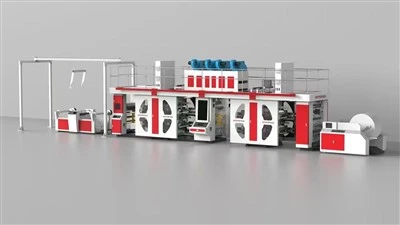
Flexo Printing Machine If you are interested in learning more about our packaging testing equipment or would like to discuss your specific testing needs, please contact us. Our team of experts is available to provide you with personalized advice and support, and we look forward to helping you achieve your packaging testing goals.
References
- ASTM International. (2021). Standard Test Methods for Peel Resistance of Adhesives (T-Peel Test). ASTM D1876 – 08(2021).
- ASTM International. (2021). Standard Test Method for Peel Resistance of Adhesive Bonds (90° Peel). ASTM D2861 – 21.
- ASTM International. (2021). Standard Test Method for Peel Adhesion of Pressure-Sensitive Tape. ASTM D3330/D3330M – 20.
Wenzhou Haidobao Machinery Technology Co., Ltd.
As one of the most professional packaging testing equipment manufacturers in China, we have world-leading production equipment and strong manufacturing capabilities. Please rest assured to wholesale durable packaging testing equipment for sale here from our factory. All customized machines are with high quality and competitive price.
Address: No. 116, Xinglong Road, Wanquan Town, Pingyang County
E-mail: 214949666@qq.com
WebSite: https://www.hdbmachinery.com/
