
Grain Dryer Supporting Equipment Hey everyone, let’s cut to the chase—if you’re in agriculture, you know drying isn’t just a “nice to have” extra. It’s the make-or-break step that turns your harvest from a pile of perishable goods into something you can actually sell, ship, and profit from. And if you’re not using the right drying machinery? You’re leaving money on the table, risking entire crops, and dealing with headaches that could’ve been avoided. I’ve been in the drying machinery game for over a decade now, working side-by-side with farmers, co-ops, and agribusiness owners across the globe, and let me tell you—this stuff isn’t just for big operations anymore. Even small-scale specialty crop farmers are jumping in because they get what drying machinery actually does for their bottom line and their sanity. First off, let’s talk the basics that most people gloss over: why drying matters in the first place. Freshly harvested crops have way too much moisture in them—think like 15-35% depending on the crop—and if you leave that there, mold grows fast. Like, in 48 hours fast. That means rotted grain, moldy nuts, or wilted produce that’s worthless before you can even load it into a truck. Drying machinery pulls that moisture out consistently, safely, and at a pace that matches your harvest, not the random weather gods that hate farmers (guilty, I’ve seen it—wait 2 days for sunshine to dry corn, it pours all night and you’ve got a mess). Now, let’s get into the real applications, because this isn’t one-size-fits-all. I’ve worked with everything from wheat farmers in Kansas to mango growers in Thailand, so I can break this down into the actual, practical uses that make a difference. First up—field crops, the big ones: grains. Corn, wheat, soybeans, rice. These are the backbone of global ag, and drying machinery is non-negotiable here. Let’s say you harvest corn at 25% moisture. If you let it air dry in a bin, that could take weeks, and if a single rainy front rolls through? Game over. Our batch dryers pull that moisture down to the safe 13-14% storage level in like 24 hours, no weather wait. And here’s the secret no one tells you: if you dry corn too fast with bad equipment, you get “case hardening”—the outside gets rock solid, trapping moisture inside, so it rots from the core. Our dryers have adjustable airflow and temperature controls, so you can customize for every crop, every moisture level, even every batch. Wheat’s a little trickier—you can’t dry it too hot or you’ll kill the germination if you’re saving seed, or reduce the protein content that makes millers pay top dollar. Our seed-specific dryers hit that sweet spot, maintaining germination rates over 95% even when you need to process 100 tons a day. Rice? Same thing—too much heat and you get cracked kernels, which lower the price by 20% easy. Our rice dryers have gentle drying cycles with ambient air recirculation, so you keep whole grain counts high. Next, specialty crops—this is where the fun (and the profit) is for smaller operators, because most people think drying machinery is just for giant grain bins, but no. We’ve got customers growing almonds, walnuts, pecans, even coffee beans and tea leaves. Nuts are super high-moisture post-harvest, and they go rancid if you don’t dry them fast. Before our customers got our conveyor dryers, they were laying nuts out on tarps in the sun, which took 3-5 days, got them dirty, exposed them to bird poop, pests, and even rain. Now, they can spread a thin layer on our mesh conveyor, and in 12 hours, they’re at the 6% moisture level that’s safe for storage. Plus, we have temperature controls that prevent oil degradation—almonds are 50% oil, so if you heat ‘em too hot, the oil gets bitter, and no one will buy ‘em. Coffee beans? That’s another big one. Coffee processing has two methods: dry (natural) and wet (washed). The dry method relies on drying the entire cherry, and if you mess up, you get uneven fermentation, which makes the coffee taste sour or moldy. Our coffee-specific dryers have programmable cycles that start with low heat to kick off fermentation, then ramp down slowly to avoid burning the beans. I had a customer in Colombia last year—small 5-acre farm, they used to sell their beans for $1.20 a pound to local co-ops. After they dried their own beans with our small batch dryer, they could sell directly to specialty roasters for $3.80 a pound, just because the drying quality was consistent. That’s a $2.60 per pound difference, and for 1,000 pounds a harvest? That’s $2,600 extra in their pocket. I could cry thinking about it—stuff like that is why I do this job. Then, there’s the stuff most people don’t even realize they need to dry: forages and biomass. Wait, forage? Yeah, hay and alfalfa. If you dry hay too slow, it gets moldy and loses nutritional value—like 10-15% less protein, which means you have to sell it for half price. Our rotary dryers for hay process it in a few hours, not days, so you retain almost all the nutrients, and it’s easier to bale because it’s uniformly dry. We even have customers using our dryers for switchgrass and other bioenergy crops—if you want to turn crop waste into fuel, the moisture content has to be under 10%, and regular air drying doesn’t get that consistent. Our dryers do that without burning through fuel like crazy, so it’s cost-effective. Oh, and let’s talk about post-harvest veggies and fruits, too. Frozen veggies, dried fruit, even pet treats—all start with drying. I’ve worked with a vegetable processor in Iowa that used to lose 15% of their carrots to mold after harvest because they couldn’t dry them fast enough. With our continuous belt dryers, they pull moisture down to 12% in 8 hours, so they can freeze them or dry them into snack sticks with zero loss. And for dried fruit? Apples, apricots, mangoes—you want that chewy, not rock hard or mushy. Our low-temperature dryers (we can go as low as 85°F, perfect for delicate stuff) remove moisture without breaking down the texture or vitamins. A customer in Florida makes dried mango treats, and before our dryer, they were selling them at farmers markets for $5 a bag. Now, because the color’s consistent and there’s no mold spots, they’re in 10 grocery stores in the state, making twice as much. Now, let’s get real—this isn’t just about drying stuff. It’s about solving pain points that every farmer deals with. First, weather risk. I can’t tell you how many times I’ve had a customer call panicking because a rainstorm is coming in and they have a whole field of corn ready to harvest. With drying machinery, you don’t have to race against the clock. You can harvest in light rain (as long as you drain excess) and dry it safely, no losses. That’s game-changing for regions that have unpredictable weather—like the US Midwest, Southeast Asia, parts of Africa. Second, storage and transportation. Dried crops are way lighter and take up less space. If you’re shipping soybeans from Brazil to China, that’s 20% less weight if they’re properly dried, so you save on freight costs. And storage? Grain stored at the right moisture level can last 2-3 years, vs 6 months if it’s wet. That means farmers can hold their crop until market prices are high, not just sell immediately because they have nowhere to put wet grain. I had a wheat farmer in North Dakota last year who held his crop for 8 months waiting for prices to go up. He used our batch dryer to get it to safe storage, and when he sold, he made $0.12 per bushel extra. For 10,000 bushels? That’s $1,200. Third, labor. Let’s be honest, farm labor is expensive and hard to find these days. Laying crops out to dry, turning them every day, monitoring for mold— that’s 4-6 hours a day for a small 10-acre crop. Our dryers are automatic. You load the batch, set the moisture level, and walk away. The machine monitors temperature, airflow, and moisture, and stops when it’s done. So that 4-6 hours a day? You can spend it on other parts of your farm that actually make money. Now, I know what some of you are thinking—“drying machinery is too expensive, especially for my small operation.” Let’s bust that myth right now. We don’t just sell giant $500k dryers for 10,000-ton grain bins. We have models for every scale: small batch dryers for 500 lbs of coffee or nuts, belt dryers for 1 ton of veggies, even portable dryers that you can tow behind a truck for small farms or co-ops that share equipment. And the ROI? Let’s do the math. Take that small coffee farmer I mentioned earlier—they spent $12k on our small batch dryer. The extra profit they made was $2,600 per harvest, and they harvest twice a year. That’s $5,200 a year, so they paid for the dryer in 2 years. For a corn farmer with 500 acres? Let’s say they harvest 200,000 bushels, lose 5% to mold if they air dry, that’s 10,000 bushels lost. At $6 per bushel, that’s $60,000 in losses. Our dryer costs $40k, and they avoid that $60k loss in the first year. That’s a no-brainer. And we have financing options, flexible payment plans, even rental units for people who just need it for harvest season. I get it, not everyone can drop a big chunk of cash upfront. Another thing we pride ourselves on is reliability. Ag equipment can’t break down at harvest time—you can’t just call a repairman and wait 3 days when your corn is sitting in a bin getting moldy. All our dryers are built with heavy-duty parts, designed to handle dust, humidity, and the rough conditions of a farm. We have 24/7 support, so if something does go wrong, we can troubleshoot over the phone or send a tech out within 48 hours, no matter where you are. We also do training—we don’t just sell you a machine and disappear. We come out to your farm, show you how to use it for your specific crop, adjust the settings, make sure you’re getting the best results. I’ve had customers tell me before that they bought a cheaper dryer from some random company, and it burned their grain, no support, and now they’re scared to invest in new gear. That’s why we’re different—we’re here for the long haul, same as you. Let’s talk about some niche applications too, because this stuff isn’t just for food crops. We work with farmers drying hops for craft breweries. Hops are super delicate, and if you dry them wrong, they lose the alpha acids that give beer its flavor. Our hop dryers have a very slow, low-temperature cycle (around 100°F) that preserves those acids, so breweries will pay a premium for consistently dried hops. One customer in Oregon used to sell hops to a big distributor for $4 a pound, and after switching to our dryer, they sell directly to craft breweries for $8 a pound. That’s double the profit, just from better drying. We also have customers drying medicinal herbs—like mint, lavender, ginseng. Herbs need to dry without losing their essential oils, which is what makes them valuable for tea, supplements, and skincare. Our low-temperature dryers are perfect for that, because high heat destroys those oils. A lavender farmer in Vermont told me that before our dryer, her lavender lost 30% of its oil during drying, so she couldn’t sell it for essential oil. Now, she only loses 5%, and she makes $10 extra per pound of oil. That’s life-changing for a small specialty farm. Wait, let’s also address the elephant in the room: sustainability. Farmers care about the environment, and so do we. A lot of old drying machinery uses way too much fuel—like natural gas or propane, which is expensive and bad for emissions. Our dryers are energy-efficient. We use heat recovery systems that capture the hot air we exhaust and reuse it to heat incoming air, cutting energy use by 30-40%. We also have solar-powered dryers available, so you can run the machine on free solar energy, lowering your carbon footprint and your utility bills. That’s a big deal these days—consumers care about sustainable food, and if you can say you used solar drying, you can charge even more for your product. Plus, less energy use means lower operating costs, which is another win for your bottom line. I’ve seen so many people sleep on drying machinery because they think it’s just a utility, but it’s actually a value-add. It turns your commodity crop into a premium product, reduces losses, cuts labor and fuel costs, and lets you wait for better market prices. I’ve had customers go from barely making a profit on their harvest to being one of the most successful farmers in their area, all because they invested in the right drying equipment. If you’re a farmer, co-op, or agribusiness owner, I don’t care what you grow—grains, nuts, coffee, hops, veggies, herbs—drying machinery isn’t a luxury. It’s an investment that pays for itself, fast. Now, if you’re ready to stop losing harvest to mold and weather, start making more profit, and make your post-harvest process way less stressful, let’s connect. We can talk about your specific crop, your farm size, your budget, and figure out exactly what dryer works for you, no pressure, no sales pitches. We’ll even help you calculate the ROI so you see exactly how much extra cash you’ll be pocketing. Don’t let another harvest go to waste because you’re trying to wing drying with tarps and old equipment. It’s time to step up and turn your hard work into real profit.
References: Drying Machinery
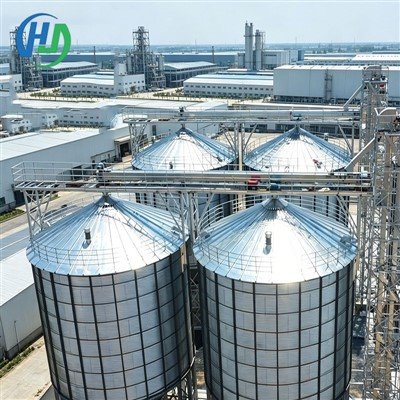
- Food and Agriculture Organization of the United Nations. (2021). Post-Harvest Losses in Agriculture: A Global Challenge. Rome: FAO Publishing.
- American Society of Agricultural and Biological Engineers. (2022). Agricultural Drying Equipment Standards and Best Practices. St. Joseph, MI: ASABE.
- International Coffee Organization. (2023). Post-Harvest Processing and Quality: Drying Practices for Specialty Coffee. London: ICO.
- United States Department of Agriculture. (2021). Specialty Crop Production and Post-Harvest Handling Guide. Washington, D.C.: USDA Agricultural Marketing Service.
- European Biogas Association. (2022). Drying Technologies for Biomass Feedstock Production. Brussels: EBA Publications.
Henan Huinong Machinery Co., Ltd.
Henan Huinong Machinery Co., Ltd. is one of the most professional drying machinery manufacturers and suppliers in China, featured by quality products and low price. Please rest assured to buy discount drying machinery from our factory. We also accept customized orders.
Address: No. 6, Northeast Corner of the Intersection of Renmin Road and Zhujiang Road, New District, Huaxian County, Henan Province
E-mail: frank.tang@huinongmachinery.com
WebSite: https://www.huinongmachinery.com/
