If you’ve ever felt a vague thud through your steering wheel when hitting a speed bump, or noticed your car pulling slightly to one side without you adjusting, odds are you’re dealing with steering rack play. As a steering rack supplier, I’ve spent thousands of hours with technicians, DIYers, and shop owners walk through this exact check—because catching play early doesn’t just save you a trip to the mechanic, it keeps you safe on the road. I’m not here to sell you a part right now, but knowing how to diagnose play correctly means you’ll only buy a replacement if you truly need one, not fix a problem that’s something else entirely. Let’s break this down step by step, no jargon, just real talk from someone who’s spent their career making the parts that make steering work. Steering Rack
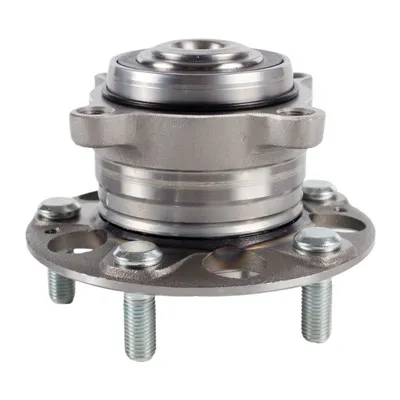
First, let’s get clear on what steering rack play actually is. The steering rack is that long, metal bar under your hood, connected to the steering wheel via a column, with tie rods on each end that hook up to your front wheels. Play is the loose movement in that system—when you turn the steering wheel slightly, before the wheels actually move, that gap is play. A little is normal; every part has tolerances. Too much, and you’re not in full control when you need it most. That said, a lot of people mix up play from the rack with play in tie rods, ball joints, or even the steering column. So we need to isolate the rack first, which is why the right method is key.
Before you start anything, grab a few simple tools. You don’t need a fancy $1000 toolbox—just a lug wrench, a floor jack and jack stands (never just rely on the jack alone, please), a large flathead screwdriver, and a friend to help. Safety first: if you’re working in your driveway, set the parking brake, chock the rear wheels so the car doesn’t roll, and make sure the jack stands are solid under the frame, not the plastic rocker panels. The last thing you want is the car shifting while you’re checking this.
Let’s start with the visual check, because even before you touch anything, you can spot red flags. Pop the hood and locate the steering rack—look for a long, black or silver metal bar running along the front of the engine bay, usually with rubber boots on each end to keep dirt out. Peel back those rubber boots a little (they slip on easily, no tools needed) and check for leaks or cracks. If you see brown or reddish fluid inside, that’s power steering fluid leaking from the rack’s seals, and that leak can cause play over time as the internal parts wear. Also, look at the bushings that hold the rack in place—those are rubber or metal mounts that keep the rack from shifting. If they’re cracked, torn, or falling apart, that’s going to cause movement that feels like rack play, even if the rack itself is fine. I see this all the time: a shop will replace a rack, when all they needed was $20 worth of new bushings. Don’t skip the visual check.
Now the hands-on test, which is where we isolate the rack. This is where your friend comes in. First, have them sit in the driver’s seat, with the engine off. We’ll do two checks here: one with the steering wheel off, and one with the car jacked up so the wheels can move. Start with the engine off, key in the ignition turned to the “on” position (not cranked, just so the steering wheel isn’t locked). Tell your friend to turn the steering wheel slowly from side to side, just the tiny amount before the wheels start to move. While they do that, stand by the front of the car and watch the rack. You should see it move smoothly, no gaps, no shimmy. If you can see the rack shift back and forth when there’s no wheel movement, that’s play coming from the rack. But wait—how much is too much? A good rule of thumb: if the steering wheel moves more than an inch or so before the wheels respond, that’s excessive. Most new cars have less than half an inch of play at the wheel, so if it’s more than that, you’ve got a problem.
Next, isolate the rack even further by checking the tie rods, which are the most common source of confusion. Tie rods connect the rack to the wheels, so play there will feel just like rack play. To rule them out, grab each tie rod end (they’re the small, ball-shaped parts on the end of the rack) and wiggle them back and forth. If there’s movement in the ball joint—if it feels loose or clunks when you wiggle it—that’s tie rod play, not rack play. Tie rods are cheap and easy to replace, so that’s a fix you can do before even touching the rack. Also, check the steering column U-joint, that little metal connector where the steering column meets the rack. If that’s worn, it will cause play too. Move that joint back and forth while your friend turns the wheel—if there’s play there, that’s the column, not the rack.
Now, the test under the car, which is the most accurate. Jack the front of the car up, set it on jack stands, and let the wheels hang free. Have your friend turn the steering wheel from left to right, again, slowly, before the wheels turn. While they do that, slide under the car (take care, the car is on stands so it’s safe, but don’t lean too far in) and put the flathead screwdriver between the rack and the frame, so you can hold the rack steady. Now, when your friend turns the wheel, if the rack moves even when you’re holding it tight with the screwdriver, that’s definitely rack play. If it doesn’t move, then the problem is in the tie rods or the steering column, and you can stop here. This test eliminates all other variables, so it’s the one that will tell you for sure if the rack is bad.
I can’t tell you how many times I’ve gotten a call from a customer saying their rack is going out, only to find it’s just a loose wheel lug nut or a bad ball joint. That’s why taking the time to do these steps is so important. If you’ve gone through all these tests and confirmed the play is coming from the rack, then you need to look at more signs to confirm it’s time for a replacement. Is there a leak inside the rack boots? Did you hear a clunk when you hit a speed bump that wasn’t just from a loose mount? Does your steering feel vague, like you’re always correcting the wheel on the highway? Those are all signs that the rack’s internal components—like the pinion gear, which is what turns the rack bar—are worn out, or the seals that hold power steering fluid have gone bad.
Now, a quick note about rack rebuilds vs. replacement. Some places will offer to rebuild your rack, and that works for some cases, but as a steering rack supplier, I’ll tell you: most of the time, a new or remanufactured rack is a better long-term solution. Rebuild kits can fix seals and small play, but if the pinion or the rack bar is worn, rebuilding won’t last as long as a new unit. Plus, when you buy a new rack from a reputable supplier, you get a warranty, and you don’t have to worry about parts failing again in six months.
If you’ve gone through all these steps and found that your steering rack does have excessive play, or you’re noticing any of those other warning signs, it’s time to start shopping for a replacement. But before you do, make sure you confirm the year, make, model, and even the trim of your car—racks vary a lot, and a 2019 Ford F-150 rack won’t work on a 2020 F-150, even if they look the same. If you’re a shop owner or a DIYer who’s ready to get a quality steering rack, don’t go for the cheapest option. As someone who’s manufactured these parts for years, I can tell you that cheap racks are made with lower grade metal that wears out faster, and the seals will leak within a year. Look for a supplier that uses high-grade steel for the rack bar, precision-machined gears, and comes with a warranty.
Wait, one more tip: after you replace the rack, always get an alignment. Even if you do it yourself, it’s critical to get the front wheels adjusted so they’re parallel. If they’re not, you’ll have uneven tire wear, the steering will feel off, and you’ll end up with more play over time. I’ve seen too many people put a new rack in and skip the alignment, wasting all the time and money they spent on the part.

At the end of the day, checking steering rack play isn’t rocket science. It’s just about taking the time to go through each step, not guessing, and isolating the problem so you don’t replace parts you don’t need. As a steering rack supplier, my job isn’t just to sell you a part—it’s to make sure you get the right part, at the right time, for your car. If you’ve confirmed your steering rack has excessive play, or you have questions about picking the right replacement for your vehicle, feel free to reach out to our team to chat about your specific needs. We’re here to help, whether you’re a DIYer doing your first repair or a shop owner looking for reliable parts for your fleet.
Wheel Hub References:
- Automotive Steering Systems: Inspection and Maintenance Manual, National Institute for Automotive Service Excellence (ASE), 2021
- Chassis Engineering Fundamentals, Society of Automotive Engineers (SAE International), 2019
- Wheel Alignment and Steering Component Diagnosis, Automotive Service Association (ASA), 2022
Guangzhou Pinxiu Auto Parts Co., Ltd.
As one of the most professional steering rack manufacturers and suppliers in China, we warmly welcome you to buy durable steering rack for sale here from our factory. All customized products are with high quality and competitive price. Contact us for pricelist.
Address:
E-mail: pinxiu@cclparts.com
WebSite: https://www.cclauto-parts.com/
