If you’ve ever walked past a warehouse loading a shipment of bulk goods or a construction site stacking pallets of building materials, you’ve probably spotted a forklift at work. These workhorses keep supply chains moving, construction projects on schedule, and retail stockrooms stocked—and as a forklift supplier, the question I get asked most often by new customers is: “What kind of fuel does a forklift truck use?” It’s not a one-size-fits-all answer, and choosing the right fuel can make or break a business’s operating costs, safety, and productivity. Let me break down the most common fuel types, their pros, cons, and which scenarios they work best for, based on years of seeing what works (and what doesn’t) for businesses of all sizes. Forklift Truck
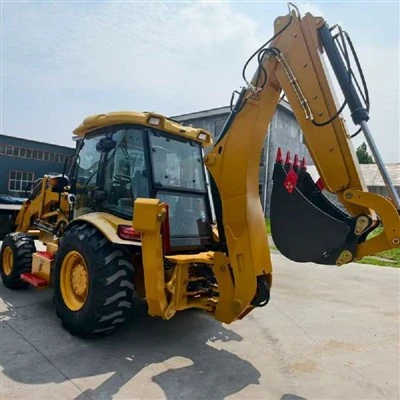
First, let’s start with the fuel that’s been the forklift staple for decades: internal combustion (IC) engine forklifts powered by diesel. For anyone running a busy warehouse, distribution center, or construction yard, diesel forklifts are hard to beat. They’re built to handle heavy loads—think 5,000 to 35,000 pounds per lift—and they have long run times, often working a full 8-10 hour shift on a single tank of fuel without needing a refill. The engine design is robust, so they require less frequent maintenance than smaller engine models, which means less downtime for busy operations. That said, diesel isn’t without its downsides. For one, diesel engines produce more exhaust emissions than other options, including nitrogen oxides and particulate matter, which can be a problem in enclosed spaces like indoor warehouses or refrigerated facilities where ventilation is limited. They’re also louder, so if your team works in a space where noise levels are regulated, diesel forklifts might not be the best fit. I once had a customer who ran a 100,000 sq ft warehouse in downtown Chicago; they switched to electric forklifts after city noise ordinances restricted their operation hours for diesel equipment, and they saved on maintenance costs too.
Next up is gasoline-powered IC forklifts, which are often lighter and more maneuverable than diesel models, making them popular for smaller tasks like loading trucks or moving pallets in tight spaces. Gasoline forklifts are less expensive to buy upfront than diesel or even some electric models, which is a big draw for small businesses or seasonal operations that don’t use their forklift every day. They’re also quieter than diesel and produce fewer emissions, though they’re still not ideal for indoor use without proper ventilation. The catch with gasoline is their run time: a typical tank only lasts 4-6 hours, so if you’re running multiple shifts, you’ll need to refuel at least once a day, which adds downtime. They also don’t handle heavy loads as well as diesel forklifts—most top out around 6,000 pounds, so they’re not for construction or bulk material jobs. One of my regular clients is a local landscaping company that uses gas forklifts to transport mulch and soil pallets between their storage yard and delivery trucks; since they only use their forklift 20-30 hours a week, the lower upfront cost and simple maintenance make gas the perfect fit.
Propane-powered forklifts are the middle ground for many businesses, combining the power of IC engines with cleaner emissions that make them safe for both indoor and outdoor use. Propane (liquefied petroleum gas, or LPG) burns more efficiently than gasoline or diesel, so it produces fewer harmful emissions—enough that OSHA allows propane forklifts to be used in most enclosed spaces without extra ventilation (as long as the space is properly aired, of course). They also have longer run times than gas forklifts, usually 6-8 hours per tank, and refueling takes just a few minutes, which is way faster than swapping a dead electric battery. Propane forklifts are versatile, too: they can handle loads similar to diesel models (up to 10,000 pounds) and work well in cold weather, which is why many grocery store warehouses and food processing plants rely on them. I had a food distributor in Ohio switch from diesel to propane after they realized their indoor loading dock was limiting their diesel forklift use in winter; propane doesn’t thicken up in cold, so their forklifts ran smoothly even when temperatures dropped below zero. The only downside is that propane tanks need to be stored safely, outdoors in a well-ventilated area, so you’ll need space for that—something to keep in mind if your lot is tight.
Now, the fuel type that’s taking over warehouses in recent years: electric forklifts. These run on rechargeable batteries, and they’re the clear choice for businesses focused on sustainability, low operating costs, and indoor use. There are two main types of electric forklift batteries: lead-acid and lithium-ion. Lead-acid batteries have been around longer, are less expensive upfront, and work well if you have a dedicated charging area where you can swap batteries when one dies. But swapping a lead-acid battery takes 10-15 minutes, and you need to have extra batteries on hand for multi-shift operations, plus they require regular maintenance like adding distilled water. Lithium-ion batteries are the newer, more high-tech option. They charge faster (sometimes in just an hour), don’t need extra batteries because they can opportunity charge during breaks, and have a longer lifespan—up to 10 years vs. 3-5 for lead-acid. Electric forklifts are also quieter than any IC model, produce zero emissions, and have lower operating costs since electricity is cheaper than fuel or propane. For a large e-commerce warehouse running three shifts a day, lithium-ion electric forklifts can save tens of thousands of dollars a year in fuel and maintenance. The only tradeoff is the upfront cost: electric forklifts are more expensive to buy than IC models, especially with lithium-ion batteries. But over time, the savings add up. I worked with an Amazon fulfillment center in Texas that switched 90% of their forklift fleet to lithium-ion electric three years ago; they told me they’ve cut their annual energy and maintenance costs by 28% and reduced their carbon footprint by 40%—that’s the kind of win businesses care about.
Another emerging fuel type that’s worth mentioning, especially for companies looking to go fully green, is hydrogen fuel cell forklifts. These work by converting hydrogen into electricity, with only water vapor as a byproduct, so they’re 100% zero-emission like electric forklifts, but with longer run times (similar to propane or diesel) and faster refueling (just a few minutes, same as a gas fill-up). They’re popular in big warehouses with high throughput, like beverage distributors or pharmaceutical companies that need to keep operations running around the clock. The downside is that hydrogen refueling infrastructure is still not as widespread as charging stations or propane tanks, and the upfront cost of fuel cell forklifts is even higher than lithium-ion. That said, as more companies invest in hydrogen infrastructure, I expect to see more of these on job sites in the next few years.
So, how do you choose the right fuel for your forklift? It comes down to a few key factors: where you’ll use the forklift (indoor vs. outdoor), how heavy the loads are, how many shifts you run, and your budget for upfront costs and ongoing operations. For example, if you’re a small business working a single shift with light loads, a gas or even a basic electric forklift might work. If you’re a large warehouse running three shifts with heavy loads, lithium-ion electric or propane is probably better. Construction companies or yards with lots of outdoor space and heavy lifting tend to go with diesel.
As a forklift supplier, my job isn’t just to sell equipment—it’s to help businesses find the right fit for their unique needs. I’ve seen too many companies waste money buying a diesel forklift for a small indoor job, or an electric model that can’t handle their heavy loads. That’s why I always ask customers about their workspace, load sizes, and shift schedules before making a recommendation.
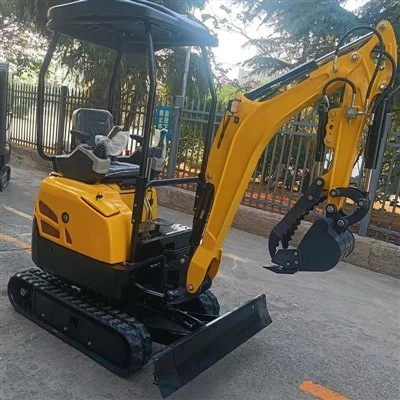
If you’re in the market for a new forklift or looking to upgrade your current fleet, don’t guess at the fuel type. Reach out, tell me about your operations, and we can talk through all the options to find what works best for you. Whether you need a rugged diesel for construction, a quiet electric for your downtown warehouse, or a versatile propane model for your food plant, we’ve got you covered.
Loader References
OSHA. Industrial Truck Safety Guidelines.
Material Handling Industry Association. Forklift Fuel Type Comparison Report.
U.S. Energy Information Administration. Fuel Cost Analysis for Industrial Equipment.
National Institute for Occupational Safety and Health. Emissions and Indoor Air Quality in Warehouses.
Shandong Feisite Machinery Co., Ltd.
As one of the most professional forklift truck manufacturers and suppliers in China, we’re featured by quality products and good service. Please rest assured to buy cheap forklift truck made in China here and get quotation from our factory. Customized orders are welcome.
Address: 100 meters south of Zengfusi Village, Mihe Town, Qingzhou City, Shandong Province
E-mail: Wpeng19911103@qq.com
WebSite: https://www.shandongfeisite.com/
