If you’ve ever stayed in a mid-tier or luxury hotel, you’ve likely wrapped yourself in a duvet insert that felt softer than your own bed at home, right? I’ve been supplying hotel duvet inserts for over a decade, and one question pops up more than any other from general managers, housekeeping directors, and even casual guests who’ve caught wind of our work: “How often should we replace our hotel duvet inserts?” Hotel Duvet Inserts
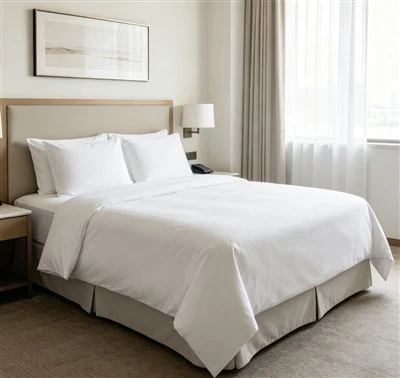
It’s not a trivial question. A well-maintained duvet insert isn’t just a fluffy blanket—its a core part of a guest’s stay, and one of the top factors that gets mentioned in post-trip reviews. I’ve seen hotels hold onto inserts for 10 years and watch their guest satisfaction scores drop, and I’ve seen hotels swap inserts too soon and waste thousands of dollars in unnecessary costs. The answer isn’t a one-size-fits-all 12-month rule; it depends on a mix of how you use the inserts, how you launder them, and the standards your brand sets. Let’s break this down, straight from someone who’s on the supply side of hotel bedding every single day.
First, let’s get one thing out of the way: hotel duvet inserts get way more wear than the duvets you use at home. At home, you might launder your duvet twice a year, if that. A hotel insert? It’s laundered every single time a guest checks out, which can be 150 to 200 times a year for a busy city hotel. Each launder cycle—high heat, harsh detergents, frequent tumbling—breaks down the fill material and the fabric casing over time. Down or down-alternative fills clump when exposed to repeated moisture and heat, and the polyester or cotton casings start to thin, developing tiny holes that let fill escape.
That said, the timeline varies based on what your inserts are filled with and their quality. I supply three main types of hotel duvet inserts, and each has a different replacement window:
Let’s start with down inserts, which are the gold standard for luxury hotels. A high-quality down insert, with a fill power of 600 or higher (that means the down clusters are large, fluffy, and durable), can last 3 to 5 years if laundered properly. But here’s the catch: I’ve seen cheap down inserts, with low fill power and mixed feathers, fall apart in 18 months. The small feathers poke through the casing, the fill clumps, and it starts to feel lumpy after just a year and a half. For luxury hotel brands that pride themselves on their bedding, a 3 to 4 year replacement cycle is safe, as long as you have a regular laundering schedule that uses mild, professional detergents and avoids over-drying.
Next, down-alternative inserts, which are popular for mid-tier hotels or properties that cater to guests with allergies. These are usually filled with polyester fiberfill, designed to mimic the feel of down. A good down-alternative insert can last 2 to 3 years, but a cheap one? It might only make it 12 to 18 months. The polyester fibers break down faster than down, especially when exposed to high heat, so you have to be careful with your dry cycle. I often tell mid-tier hotels that if you’re going for a 2-year replacement, you’ll get consistent comfort without wasting money.
Finally, synthetic fiber inserts for budget hotels. These are the most affordable, but also the shortest-lived. Most of these inserts only last 12 to 18 months. The fill loses its loft quickly, and the fabric casing tends to fray after a year of frequent laundering. If you’re managing a budget property, trying to stretch that to 24 months will only lead to complaints about lumpy, uncomfortable bedding, which will hurt your reviews more than the cost of replacing inserts on time.
Now, replacement timelines aren’t just about fill material. It’s also about how you launder your inserts, which is the biggest factor affecting their lifespan. I’ve had a hotel client who was laundering inserts on a 180°F heat setting every cycle, and their down inserts were breaking down in 2 years. When we adjusted their laundering to 160°F, and added a fabric softener designed for hotel bedding (to reduce fiber breakage), their inserts lasted 4 years. That’s a huge difference, all from a small change in their laundry process.
Another common mistake hotels make is skipping thorough drying. If you take an insert out of the dryer and it’s even slightly damp, mold and mildew can start to grow inside the casing, even if you can’t see it. That not only ruins the insert— it can also cause allergies or bad odors that guests will notice right away. I always tell housekeeping teams to run a 30-minute extra dry cycle for duvet inserts, and to check that they’re completely fluff-free before putting them back on the bed.
So how do you know when it’s time to replace your inserts, instead of just going by a timeline? There are a few clear signs that will tell you it’s time, no matter how old the insert is. The first is clumping: if you run your hand over the insert and feel hard, lumpy spots instead of even loft, that’s a sign the fill is breaking down. Another is leakage: if you see small feathers or polyester fibers poking through the casing, that means the fabric is thinning, and the insert will only get worse with time. A third sign is odors: even after a good launder, if the insert smells musty or stale, that’s mold or mildew that’s set in, and it’s not going to come out. And finally, if you’re getting consistent reviews that mention the bedding feeling lumpy or uncomfortable, that’s a clear signal it’s time for a swap.
Wait a second— is there a way to make your inserts last longer, so you don’t have to replace them as often? Absolutely. I work with hotel teams all the time to extend the lifespan of their duvet inserts, and these are the tricks I share. First, use duvet covers. That might seem obvious, but a duvet cover acts as a barrier between the insert and the guest, so most of the dirt, sweat, and body oils go into the cover instead of the insert. If you’re only laundering the insert once or twice a month, instead of every stay, that will add years to its life. Second, invest in high-quality inserts from the start. I know budget is tight, but a $20 insert that lasts 2 years costs $10 a year, while a $50 insert that lasts 5 years costs $10 a year too. The higher upfront cost saves you money in the long run, because you don’t have to replace them as often. Third, train your housekeeping team on proper laundering. A lot of housekeepers just use the same settings for sheets as they do for duvet inserts, but that’s not right. Inserts need a gentler cycle, lower heat, and extra drying time. A few quick training sessions will make a huge difference.
Now, let’s talk about brands. Every hotel brand has a standard for bedding, and that should dictate your replacement timeline. A 5-star luxury brand, for example, will need their duvet inserts to feel fluffy and perfect for every guest, so they’ll replace theirs every 3 to 4 years. A 3-star mid-tier brand might replace theirs every 2 to 3 years, and a 2-star budget brand every 1 to 2 years. If your brand prides itself on comfort, you can’t cut corners here— a guest who gets a lumpy insert is less likely to leave a positive review, and more likely to stay at a competitor next time.
I’ve seen too many hotels try to save money by stretching their insert life, and it backfires. One client of mine, a small boutique hotel, tried to hold onto their down inserts for 7 years. They noticed guests were complaining about the bedding, but they thought it was just their reviews being picky. When they finally replaced the inserts, their Trip Advisor score went up 0.7 points in 6 months, and their direct bookings increased by 12%. That’s the kind of ROI you don’t get from cutting costs on supplies.
Another common question I get: what about pandemic-related wear and tear? During 2020 and 2021, hotels were laundering their inserts more frequently, to meet health and safety standards, which shortened their lifespan. A lot of those inserts are now 3 or 4 years old, so if you haven’t replaced yours in the last 2 years, it’s probably time to do it. I’ve had dozens of clients reach out to me in the last year saying exactly that— they held off during the pandemic, and now their inserts are reaching the end of their life.
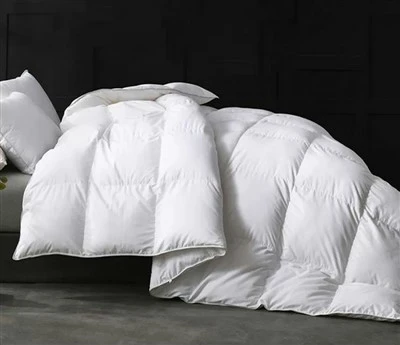
So to wrap this up, the answer to “how often should I replace my hotel duvet inserts?” is this: it depends on your insert type, laundering process, and brand standard, but here’s a quick guide. Down inserts: 3 to 5 years, if laundered properly. Down-alternative: 2 to 3 years. Budget synthetic: 1 to 2 years. And always keep an eye out for those red flags— clumping, leakage, odors, and bad reviews. If you see any of those, don’t wait until your scheduled replacement time to swap.
Hotel Mattress Protectors If you’re a hotel manager or housekeeping director looking to update your duvet inserts, or you’re not sure what timeline works for your property, reach out to us for a personalized consultation. We’ll walk you through different insert options, help you calculate the best replacement timeline for your budget, and make sure you get inserts that fit your brand’s needs. No generic advice, just real solutions that work for your hotel.
References
- Textile Institute. (2019). Laundering Effects on Textile Durability in Commercial Hospitality Settings. Textile Progress.
- American Hotel & Lodging Educational Institute. (2021). Hospitality Bedding Maintenance and Replacement Best Practices. AHLEI Press.
- Journal of Hospitality and Tourism Management. (2020). The Impact of Bedding Comfort on Guest Satisfaction and Loyalty. Elsevier.
- International Down and Feather Bureau. (2022). Guidelines for Maintaining Down Bedding Lifespan in Commercial Applications. IDFB Technical Report.
- Textile Services Association. (2021). High-Heat Laundering and Synthetic Fiber Degradation. TSA Industry Insights.
Nantong Deeda Textile Co., Ltd.
As one of the most professional hotel duvet inserts manufacturers and suppliers in China, we’re featured by quality products and good service. Please feel free to wholesale bulk high-end hotel duvet inserts at competitive price from our factory. Customized orders are welcome.
Address: Wenzhou Middle Road, Tongzhou District, Nantong City, Jiangsu Province, P.R.China
E-mail: zama@deeda.com.cn
WebSite: https://www.hotelbeddingsupplier.com/
