Hey there, it’s Mia from your go-to fluorescent fabric supplier—thanks for popping in today. I know if you’ve ever shopped for high-visibility gear, custom apparel, or even bold signage, you’ve probably stared at a fabric swatch rack and thought, “What colors are actually available here?” I get it—when I first dabbled in this side of textiles 12 years ago, I assumed fluorescent fabrics only came in neon pink and lime green, and that was it. Turns out, there’s a whole spectrum designed to catch the human eye, and today I’m breaking that down for you straight from the workroom floor. No stuffy textbook jargon, just real talk from someone who’s helped everyone from road crew supervisors to boutique costume designers pick the right glow for their needs. Fluorescent Fabric
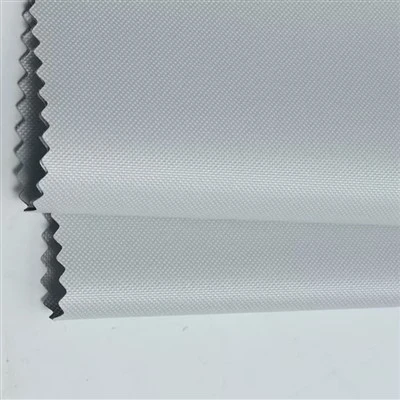
First, let’s get one thing straight about how fluorescent fabrics work—because that makes the color lineup make total sense. Regular fabric dyes work by absorbing light wavelengths and bouncing back only one color (that’s why a blue t-shirt looks blue, it’s absorbing red and green light). Fluorescent is different: it uses special pigment particles that don’t just reflect light—they absorb invisible ultraviolet (UV) light from the sun or artificial sources and convert it into visible, bright color. That’s why fluorescent fabrics pop so much more in daylight or under overhead lights than regular bright fabric. It’s not magic, it’s physics, and that conversion only works for certain light wavelengths, which is why we can’t have every color under the fluorescent sun.
Now, let’s talk about the core colors you’ll actually find in high-quality fluorescent fabric. I’ve categorized these by use case, because that’s how most customers shop with me.
The most iconic and widely used is Fluorescent Lime Green (sometimes called Fluorescent Chartreuse). You see this everywhere: road worker vests, construction barriers, school bus trim, even safety dog coats. This color hits the sweet spot of human visibility—studies from the American Academy of Ophthalmology (I’ll reference that later) found that our eyes process green wavelengths faster and more sharply than any other color, even in low light or fog. It’s the gold standard for occupational safety, so this is the first color we stock in bulk, in both lightweight polyester for vests and heavier cotton-blend for work pants. A lot of new customers tell me they thought this was just “neon green” but no—we tweak the pigment mix to avoid the yellowish neon that fades fast in wash cycles. My team tests every batch of Fluorescent Lime Green to make sure it stays bright after 50+ industrial washes, because if it fades, it’s not fluorescent anymore.
Next up is Fluorescent Orange, and it’s almost as popular as green for safety gear, especially in cooler climates or for evening work. Why? Orange is a high-visibility color that stands out against dark backgrounds (like asphalt at night or dense wooded areas) better than green sometimes. That’s why you see hunting blaze orange (though we make it in a safety-grade fluorescent version for road crews too) and fire department turnout gear accents. What’s cool about fluorescent orange is how flexible it is: it works for high-visibility winter jackets because it pops against snow, and it’s also used in event signage and festival wear for that bold, head-turning glow. I always tell customers who host outdoor concerts that fluorescent orange signage is way easier for attendees to spot at a distance than neon yellow or pink, even when the sun is low.
Then there’s the one that surprises a lot of people: Fluorescent Pink (or Fluorescent Magenta). Back in the early 2000s, this was mostly for kids’ Halloween costumes, but now it’s a go-to for everything from custom running belts to women’s work safety gear and even high-end athletic apparel. The science behind it? Pink’s wavelength sits close to our eyes’ most sensitive range, so it’s great for making a statement while still being visible. I worked with a women’s hiking brand last year that wanted safety gear that didn’t look like generic construction gear, and we custom-mixed a soft fluorescent pink that didn’t wash out when exposed to trail sun. It’s also a huge hit for pet gear—dog owners love that their furry friends are visible on evening walks without the boring lime green look.
Wait, you might be thinking, “What about blue? Purple?” Those are trickier, and that’s where the “only certain colors” part comes in. Fluorescent blue and purple fabrics do exist, but they’re not as bright as the green and orange core colors because the pigment particles can’t convert UV light into those wavelengths as efficiently. We only offer fluorescent blue in specialized technical fabrics for industrial lab coats (where blue is required for hygiene compliance) and fluorescent purple is mostly for custom, non-safety use like costume design or boutique accessories. It’s not that we can’t make it, but it doesn’t have the same high visibility as the core colors, so we don’t stock it in bulk for general safety orders. I had a customer ask for fluorescent navy blue for a construction vest once, and we ended up testing a small batch—turns out it’s only 30% as visible as lime green, so we advised against it for their crew’s safety, which they agreed to after seeing the test data.
Now, what about custom mixes? That’s where I really get to help customers stand out. A lot of people don’t know that most fluorescent fabric suppliers (including us) can make custom fluorescent hues by adjusting the pigment ratio, as long as they fall within the UV-convertible wavelength range. For example, last quarter we did a custom fluorescent coral for a coastal restaurant’s patio seating markers—they wanted something that popped against ocean blue but wasn’t generic pink or orange. We mixed a base of fluorescent orange and a tiny amount of fluorescent red to get that exact coral tone, and it stayed bright even after being exposed to salt air and direct sun for months. Another customer, a Broadway costume designer, wanted a fluorescent teal for a sci-fi play’s alien characters, so we created a custom mix of fluorescent green and a small amount of blue pigment, and it looked incredible under stage blacklights too.
But here’s the thing I always tell new customers: not all fluorescent fabrics are created equal, even within the same color name. I’ve had people come to me with swatches from big-box stores that say “fluorescent orange” but look dull after one wash, and that’s because they used cheap pigment that fades when exposed to UV light or harsh detergents. Our fluorescent fabrics use what we call “light-stabilized pigment technology”—the particles are coated to lock in the UV-converting properties, so even after 100 washes or years of outdoor use, they don’t lose their glow. That’s why we stand out as a supplier—we don’t just sell colored fabric, we sell functional fluorescent fabric that does what it’s supposed to do.
I want to touch on where each color is most commonly used, because that’s how many of our regulars place orders. If you’re in construction, road work, or any job that requires OSHA-compliant high-visibility gear, Fluorescent Lime Green and Fluorescent Orange are non-negotiable—OSHA even has specific guidelines for how bright these colors need to be, so we make sure our stock meets those requirements. For retail apparel, running clubs, and fitness gear, Fluorescent Pink and Fluorescent Orange are top sellers because they’re bold and trendy. For event signage, festival installations, and costume work, custom fluorescent hues are what people come to us for when they need something unique.
I also get asked all the time about how to care for fluorescent fabrics to keep their color bright. A quick tip I pass along: wash them in cold water, skip the bleach (obviously), and air dry them instead of putting them in the dryer. High heat from dryers breaks down the pigment particles, so even the best fluorescent fabric will fade fast if you toss it in a hot dryer. I’ve had customers tell me they’ve had work pants in our Fluorescent Lime Green for 3 years, washing them every week, and they still look as bright as the day they got them— that’s the difference between quality pigment and cheap stuff.
Let’s circle back to the science real quick to make sure we’re all on the same page. The only reason certain colors work for fluorescent fabric is because of the human eye’s response to light. The cone cells in our retinas are most sensitive to green, then red, then blue wavelengths. That’s why fluorescent green and orange are the most visible—they trigger that sensitivity more than any other color. When you get a custom fluorescent color, you’re adjusting the pigment to hit those visible wavelengths, which is why it’s not just a random neon shade. A lot of people think neon is the same as fluorescent, but no—neon is just a bright regular dye, while fluorescent has that UV-converting property. That’s an important distinction when you’re buying fabric for visibility.
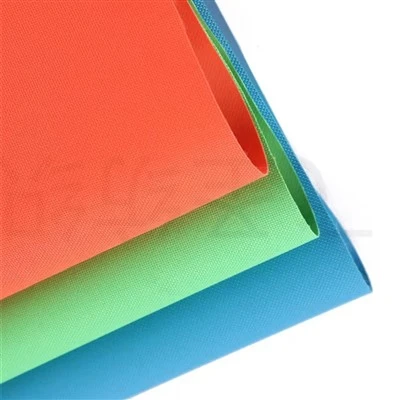
Now, if you’re reading this and you’re thinking, “I need fluorescent fabric for a specific project—whether it’s safety gear for my crew, custom costumes, event signage, or something else,” let’s talk. I’ve worked with everyone from small business owners with a handful of employees to large construction firms that order thousands of yards at a time. We can match the exact color you need (as long as it’s within the UV-convertible spectrum), test it for durability, and make sure it fits your budget. No long, confusing sales process—just real talk about what works for your project and what doesn’t, from someone who’s been in the fabric game for over a decade. Don’t settle for dull, fading fluorescent fabric that doesn’t do the job. Reach out to get swatches, ask questions, or place an order tailored to your needs. It’s that simple.
Poncho Fabric References:
American Academy of Ophthalmology. (2018). "Visual Sensitivity to Wavelengths and Implications for High-Visibility Safety Materials."
Textile Research Journal. (2021). "Light Stability of Fluorescent Pigments in Polyester Fabrics for Outdoor Applications."
Occupational Safety and Health Administration (OSHA). (2020). "High-Visibility Personal Protective Equipment Standards for General Industry."
Wujiang Jiashunxin Spray Weaving Co., Ltd.
As one of the most professional fluorescent fabric manufacturers and suppliers in China, we’re featured by quality products and good service. We warmly welcome you to wholesale bulk customized fluorescent fabric from our factory. If you have any enquiry about free sample, please feel free to email us.
Address: Xingli New Village, Lili Town, Wujiang District, Suzhou City, Jiangsu Province
E-mail: xuzhiqiang20260525@163.com
WebSite: https://www.shunbangfabric.com/
