If you’ve ever spent a night without power when the grid went out—say, during a brutal summer heatwave, a winter ice storm, or a last-minute construction delay in a remote area—you’ve likely wondered if that bulky diesel generator sitting in your garage could pull double duty. As a household diesel generator supplier who’s fielded this question hundreds of times over the last seven years, I get it: the line between “backup for my home” and “power for a small job site or business” can feel blurry, and the cost and convenience of avoiding a commercial unit is enough to make almost anyone pause. But here’s the thing: this isn’t a one-size-fits-all answer, and cutting corners by repurposing a home generator for commercial use can lead to big headaches—for your wallet, your reputation, and even safety. Let’s break this down, starting with what makes a household diesel generator different from a commercial one, when repurposing might (maybe) work, when it’s a hard no, and what to keep in mind if you do dip your toes into using home models for small commercial tasks. Household Diesel Generator
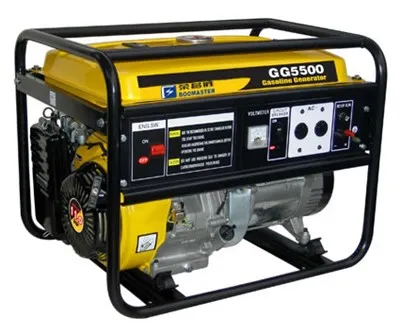
First, let’s get clear on definitions, because that’s where most of the confusion starts. A typical home diesel generator—think the 8kW to 25kW units you’ll find for sale at most home improvement stores or through my supply business— is designed for one core job: emergency backup power for a residence. That means it runs only a few times a year, usually for hours or days at a stretch, powering non-continuous loads: refrigerators, sump pumps, a few space heaters, maybe a TV. Commercial diesel generators, on the other hand, are built for consistent, extended, often high-demand use. A small commercial unit might start at 20kW, but many for light jobs like pop-up events, small construction sites, or temporary retail space go up to 100kW, and they’re tested to run for 8 to 12 hours a day, every day, for years on end. The engineering differences between these two aren’t trivial, and they show up in every part of the unit.
Let’s talk about the engine, because that’s the heart of any generator. Household diesel engines are usually smaller, with simpler cooling systems, and they’re calibrated for low, intermittent load. They’re built to kick on when the grid fails, run at partial capacity (most home loads are only 30% to 50% of the generator’s rated output), then shut off. Commercial engines? They’re built to handle full, continuous load. They have larger fuel injectors, better air filtration systems that can stand up to dust, paint fumes, or other debris common at job sites, and improved heat dissipation to prevent overheating when running non-stop. Last year, we had a regular customer who tried using his 18kW home diesel generator to power a 4-unit food cart setup for a weekend farmers’ market. By Saturday afternoon, the engine seized up—he ran it at 100% capacity for 12 hours straight, something that tiny home engine was never designed to do. The repair bill cost more than the generator was worth, and he lost his deposit for the market. That’s the kind of mistake that comes from underestimating that core engineering difference.
Next, power output quality. Home generators are fine for sensitive home electronics: TVs, laptops, medical devices, refrigerators, all of which can handle the slight voltage fluctuations that come with a backup unit. But commercial uses often involve equipment that’s way more demanding: power tools, refrigeration units for temporary stalls, lighting for large event spaces, or even small construction equipment like nail guns or portable compressors. These loads draw consistent, high power, and they require stable, clean voltage to run efficiently. Most household generators have a simpler alternator that can’t maintain that consistency under full, sustained load, leading to premature wear on your equipment or even damage. I’ve had another customer, a small contractor who runs bathroom remodels, try using his 22kW home generator to power a tile saw, a table saw, and a few lights on a job site. After three weeks of daily use, the tile saw’s motor burned out—cost him $800, all because the home generator’s inconsistent voltage couldn’t handle the saw’s startup power spikes.
Then there’s fuel efficiency and runtime, which sound like small details until you’re stuck in a pinch. Household diesel generators are designed to be efficient for short runs at partial load, so if you’re using it only for emergency home backup, you’ll get great gas mileage. But when you run a home generator at full capacity for extended periods—like powering an event or a job site all day—its fuel efficiency drops dramatically. A 18kW home generator might get 0.5 gallons of diesel per hour at 50% load, but that jumps to 1.2 gallons per hour at 100% load, which means you’ll go through way more fuel than you budgeted for. Commercial generators are built to maintain consistent efficiency across all load levels, so you know exactly how much fuel you’ll need for a full day of work, no surprises.
Now, let’s get to the part everyone asks: is there any scenario where using a household diesel generator for commercial purposes is actually a good idea? The short answer is: for very small, very temporary tasks, maybe—but only if you follow strict rules and understand the risks. Let’s set the bar here: this should only be for tasks that require less than 50% of the generator’s rated capacity, and that last no more than 8 hours a day, for no more than 3 to 5 days total. Examples might include powering a small, remote construction staging area for a single weekend, powering a small pop-up booth for a one-day community event, or powering a single small piece of equipment for a few hours at a time during a home renovation that’s taking place on a property where you’re already using a home generator for backup. Even in these cases, there are non-negotiables you have to follow. First, don’t exceed 50% load—if your generator is rated at 10kW, only use up to 5kW at any time. Second, give it regular breaks: turn it off for at least 30 minutes every 4 hours to let it cool down, which prevents engine strain. Third, monitor fuel levels closely and budget for the extra fuel you’ll need when running at partial load, even if it’s less than full. Fourth, and this is non-negotiable for safety, never run the generator indoors or in an enclosed space—carbon monoxide poisoning is a silent killer, especially when generators are running for extended periods. We always supply our generator customers with free carbon monoxide alarms when they buy a unit from us, and that rule applies no matter what you’re using the generator for.
But here’s where the line gets really clear: if your commercial need extends beyond that tiny, temporary scope, a household generator is not worth the risk. Let’s say you’re running a small food truck business that operates 5 days a week—even a 25kW home generator won’t last through a full day of running the truck’s refrigeration, cooking equipment, and lighting. Or if you’re a landscaper running a job site for 2 weeks, using power tools and a small excavator—again, a home generator’s engine will wear out in a fraction of the lifespan of a commercial unit, leading to costly repairs or replacements mid-job that can kill your business’s reputation. Commercial generators also come with features that matter for business use: extended warranty periods (many commercial units come with 3-5 year warranties for heavy use, vs. 1-2 years for home units), built-in monitoring systems that let you track runtime, load, and fuel levels remotely (super useful for checking on a job site when you’re off doing other work), and easier access to replacement parts and service technicians who are trained on commercial models.
I’ve seen too many small business owners cut corners to save a few hundred dollars upfront, only to spend thousands in repairs, lost revenue, and damaged relationships. Last year, a small event planner bought a 15kW home generator from another supplier to power a weekend outdoor wedding for 150 guests. By 8 p.m. on the first night, the generator overheated and shut down, leaving the wedding without lights, sound, and refrigeration for the cake. The planner had to rent a temporary commercial generator at the last minute for $1,200, plus she lost the client, who posted about the disaster on social media and cost her another three bookings that quarter. That’s a $10,000 loss (in lost revenue and repairs) for a $1,500 upfront savings on a home generator. It’s not worth it.
Now, if you’re someone who’s just starting out, or has a very small, one-off commercial need, and you’ve weighed the risks and decided that a home generator is the right fit, here are a few tips to make sure you do it safely and effectively. First, always get a unit that’s rated for at least 20% more power than you think you’ll need. That way, you won’t push it beyond its limits. Second, never modify the generator in any way—we see customers who tamper with the governor to get more power, which is extremely dangerous and will void your warranty, not to mention blow out the engine. Third, invest in a transfer switch if you’re using the generator for a temporary job near your home—this ensures that power flows correctly and doesn’t backfeed into the grid, which can electrocute line workers trying to fix downed lines. Fourth, schedule regular maintenance: even if you’re only using it for commercial tasks, change the oil, air filter, and spark plugs every 100 hours of use, just like you would for a commercial unit. We offer a discounted maintenance plan for all our customers, whether they buy a home or commercial generator, because we want to make sure our units last as long as possible.
At the end of the day, the question of whether a household diesel generator can be used for commercial purposes comes down to: “can you accept the limits of that unit, and the risks that come with pushing it beyond its designed use?” For small, temporary, low-demand tasks, it’s possible with caution and proper planning. But for any commercial need that requires consistent, high power, or extended runtime, you’re far better off investing in a commercial generator that’s built for that job. Not only will it save you money in the long run, but it will also give you peace of mind that your business operations won’t be derailed by a broken generator.
If you’re not sure which generator is right for your needs—whether that’s a backup for your home or power for a small commercial task—we’re here to help. We work with small business owners, contractors, event planners, and homeowners alike to find the right unit that fits your budget and usage requirements. We offer free consultations, competitive pricing, and ongoing support for every unit we sell, because we know that a generator is more than just a piece of equipment—it’s a lifeline when the power goes out, or a reliable source of power to keep your business moving forward. Contact us today to discuss your needs and find the perfect generator for you.
Silent Diesel Generator Set References
Generator Industry Association. (2022). Residential vs. Commercial Generator Engineering Standards. GIA Technical Report.
Environmental Protection Agency. (2021). Diesel Generator Emissions and Safety Guidelines for Extended Use. EPA Publication No. EPA-420-F-21-005.
Small Business Administration. (2023). Cost-Benefit Analysis of Generator Choices for Temporary Commercial Operations. SBA Small Business Resource Guide.
Jiangsu Kaichen Electric Power Equipment Co., Ltd.
We are one of the most professional household diesel generator manufacturers and suppliers in China, specialized in providing high quality diesel generators with reasonable price. We warmly welcome you to buy cheap household diesel generator from our factory. Contact us for pricelist and quotation.
Address: Dinghuo Industrial Park, Jiangdu District, Yangzhou, Jiangsu Province
E-mail: 19962469616@163.com
WebSite: https://www.jskaichen-power.com/
