Hey there! Let’s cut to the chase—if you’re a candle maker, a home decor brand, or someone just testing out homemade candles, you’ve probably stared at a glass candle jar after pouring wax and thought, “What do I cover this with?” You might’ve grabbed plastic wraps, paper towels, or even those flimsy cardboard lids that blow off the second a breeze hits. But what about metal lids? As a metal lid supplier who’s spent way too many late nights troubleshooting lid durability with candle brands big and small, I’m here to break this down straight—no corporate jargon, just real talk. Metal Lid
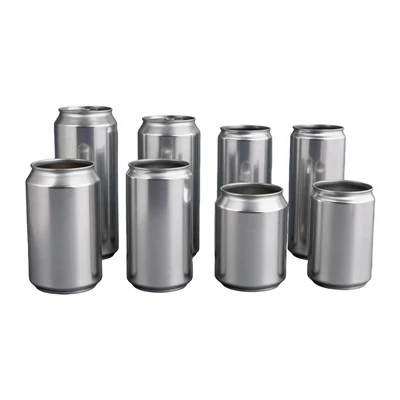
First off, the big question everyone has: Is it even safe to use metal lids for candle jars? Let’s get the science out of the way real quick. When a candle is lit, the wax inside gets hot—super hot. Most standard paraffin candles hit around 140–180°F, soy candles (the big trendy pick right now) top out around 120–160°F, and beeswax can go a little higher, maybe 180–200°F. Wait a second—metal melts at way higher temps, right? Like, aluminum (the go-to metal for most lids) melts at ~1,220°F, tin at ~450°F, and even steel is way above 2,500°F. None of that’s anywhere near the temp a candle will ever reach. So the lid itself won’t warp, melt, or leach chemicals into the wax? No, that’s a myth.
But hold on, safety isn’t just about the lid melting. The risk comes when you put a lid on a lit candle. Oh right—if you cover a burning candle, that snuffs out the flame super fast, but you have to let the wax cool before sealing it. If you slam a hot lid on a jar with melted wax fumes still inside, you’re basically trapping those fumes and moisture. Wait, metal is non-porous, right? That’s a win for keeping moisture out, but if you seal it too soon, you might get condensation inside the jar, which can make the wax spotty or even grow mold if the candle’s stored long-term. I’ve seen a small home brand learn this the hard way—they started sealing before the wax fully set, and half their inventory came back with fuzzy wax tops. Lesson learned.
Now, let’s get to the practical stuff. Metal lids aren’t just “better than plastic”—they actually solve a lot of problems that other lids mess up. Let’s break down why they’re a game-changer for candle brands. First, they’re way more durable than paper or cardboard lids. I’ve had clients who ship candles cross-country—cardboard lids get crushed in transit, plastic lids get scuffed or cracked. Metal lids? They’re sturdy, can take a hit (we test ours with drop tests all the time), and they don’t fade in sunlight like cheap plastic. If you’re selling candles as decor, the lid’s part of the look—metal has that sleek, rustic, or even luxury vibe that pairs with so many jar designs. We do custom prints, matte finishes, even embossed logos, so candle makers can brand their whole product, not just the wax inside.
Another big plus: scent containment. When your candle’s not lit, you don’t want that lavender or vanilla escaping before the customer even lights it. Metal is airtight (well, if you get a good seal—we make sure our lids fit snug on standard jar sizes like 4oz, 8oz, 16oz, so no gaps) so it locks in the fragrance. I’ve had a craft candle maker tell me they switched from plastic to our metal lids, and their customer reviews went from “scent fades too fast” to “love that the candle smells just as strong on day 30 as it did on day 1.” That’s not a fluke—porous lids let scent molecules seep out over time, metal traps them.
But wait, there’s a catch. Not all metal lids are equal. If you grab a random metal lid from the hardware store, it might be too thin, or have a coating that’s not food-safe. Oh right—candle wax is in direct contact with the lid’s inner side (when sealed, the lid touches the wax top). So you need a lid with a food-safe or candle-safe coating. Some cheap metal lids have old-fashioned liners that can flake off into the wax. We use BPA-free, wax-resistant liners that stick to the lid, not the wax, so you never get that weird flake problem. I’ve seen brand after brand cut corners on this and get complaints about “black stuff” in their candles—don’t be that guy.
What about different metal types? Let’s keep it simple. Aluminum is the most popular because it’s lightweight, affordable, and easy to mold into different shapes (round, square, hex, whatever jar shape you have). Tin is a little pricier but has a vintage, matte finish that’s great for fall candles (pumpkin spice, cinnamon) or boho brands. Steel is super sturdy, good for big, heavy candles like 20oz jar candles, but it’s a bit heavier so shipping costs go up a tiny bit—just something to factor in. I always tell small brands to start with aluminum lids for testing, then upgrade to tin or steel once they’re scaling.
Now, common mistakes people make with metal lids for candles. First, sealing too early. I can’t emphasize this enough—wait until the wax is 100% solid, no melted pools left, before putting the lid on. If you seal it while the wax is still warm, condensation forms between the lid and the wax, which ruins the texture and can make the candle go bad. Second, not cleaning the lid before using it. If you print a logo on the lid, there might be a tiny bit of manufacturing residue. Wipe the inner side with rubbing alcohol before putting it on the jar—no residue means no weird tastes or discoloration. Third, using the wrong size lid. A lid that’s too big won’t seal tight, one that’s too small won’t fit. We sell lids for all standard jar sizes, and if you have a custom jar, we can make a custom lid mold for you—just send us the jar dimensions.
Wait, what about people who reuse candle jars? You know, the “clean your candle jar and use it for pens, makeup brushes” trend. Metal lids are perfect for that! If you’ve got a leftover soy candle jar, you can clean out the wax (boil water to melt the leftover wax, wipe with paper towels), and the metal lid makes it a perfect storage container. No more messy plastic lids that break when you’re opening and closing. That’s a big selling point for customers, too—if your candle’s packaging is reusable, people will pay more. We’ve had brands add a line in their product descriptions: “Includes a reusable metal lid for storage” and their sales jumped 15% on that SKU alone.
Let’s talk about sustainability, because that’s huge right now. Paper lids are biodegradable, but they’re not very durable—most get thrown away after one use. Plastic lids are often single-use and end up in landfills. Metal lids? They’re recyclable, and they last way longer. A customer can reuse the lid for months, even years, not just for the candle. We use recycled metal for 80% of our lids, too—so if your brand is focused on eco-friendly products, metal lids align with that. I can’t tell you how many brands come to us because they want to cut back on plastic packaging—metal lids are the perfect alternative.
Now, let’s get personal. I’ve been in the metal lid game for 7 years, and I’ve worked with everyone from solo craft candle makers selling at farmers markets to big national brands with 100,000 unit runs. One of my favorite stories is a small candle maker from Portland who started with 100 aluminum lids for her first batch, then a year later, when she was selling at Target, she ordered 50,000 custom tin lids with her logo. She told me the metal lids were the only reason her product stood out from the dozens of other candle brands using plastic. That’s the thing—small choices (like switching to metal lids) can make a huge difference in how your brand is perceived.
But let’s be real, metal lids aren’t for every candle. If you’re making a tiny tea light candle, a plastic lid is cheaper and works just fine. If you’re making a big, industrial-style candle, a steel lid is overkill. But for most standard container candles—soy, paraffin, beeswax—metal lids are the way to go. They’re safe, durable, look good, and make your product last longer.
So, if you’re a candle maker, whether you’re just starting out or scaling your brand, and you’re thinking about switching to metal lids, here’s what you need to do. First, figure out your jar size—measure the diameter of the jar’s opening (that’s the key number, not the height). Second, pick a metal type (aluminum is great for beginners, tin for premium). Third, make sure you get lids with wax-resistant, food-safe liners. Fourth, wait until the wax is fully cool before sealing. And if you need help with custom sizes, logos, or bulk orders, that’s where I come in. I’m not just a supplier— I’m the guy who’s helped dozens of candle brands pick the right lids, troubleshoot lid issues, and even design custom packaging that sells.
At the end of the day, metal lids aren’t just a trend—they’re a practical, smart choice for anyone making candles. They solve so many problems that other lids can’t, and they add value for your customers. If you’ve been on the fence about switching, don’t overthink it—test a small batch, see how it works, and you’ll probably end up ditching plastic lids for good.

If you’re ready to upgrade your candle lids, or just have questions about what works best for your brand, reach out to us to connect on your bulk or custom metal lid needs. We’re here to help, no corporate hoops, just straightforward advice and quality lids.
Beer Can References:
- Candle Science Journal. "Thermal Stability of Candle Container Closures." 2021
- Packaging Digest. "Sustainable Packaging Alternatives for Candle Brands." 2022
- Industrial Metal Supply Association. "Food-Safe Liners for Metal Packaging." 2020
Fudijia (Tianjin) Supply Chain Co., Ltd.
As one of the most professional metal lid manufacturers and suppliers in China, our products have good reputation in the market. Please feel free to buy customized metal lid made in China here from our factory. Quality products and low price are available.
Address: Room 1602, MSD-G1, TEDA , Binhai New Area, Tianjin, China, 300457
E-mail: Sales896@hjlfoods.com
WebSite: https://www.fdjpack.com/
