If you’ve ever shopped for a diamond ring with me, you’ve probably heard me field a ton of questions lately: “What’s the real difference between the diamonds you’re selling and the lab-made ones I see online?” It makes total sense—diamond shopping isn’t just about picking a shiny rock; it’s about knowing exactly what you’re paying for, whether you’re popping the question, celebrating an anniversary, or treating yourself to something special. I’ve been in this diamond ring game for over a decade now, and let’s cut to the chase: there’s a lot of misinformation out there, and I’ve seen way too many people second-guess themselves because they can’t tell the facts from the fluff. Diamond Ring
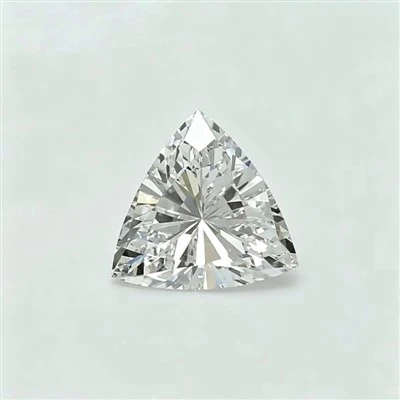
First off, let’s get the basics straight, no confusing jargon required. Natural diamonds form deep underground, like 90 to 120 miles down, where temperatures are super hot (around 2,200 to 4,000 degrees Fahrenheit) and pressure is cranked up to like 725,000 pounds per square inch. That’s the kind of environment you can’t replicate on Earth’s surface, so these gems take billions of years to grow—usually between 1 to 3 billion years, some even older than our planet itself. The only way natural diamonds make their way to the surface is through catastrophic volcanic eruptions that shoot up “kimberlite pipes,” those long, narrow rock formations that miners chase all over the world. When we pull them out, they’re rough, cloudy, and full of tiny inclusions—think of them as nature’s birthmarks, little imperfections that form as the diamond grows, trapped inside instead of on the surface.
Lab-created diamonds? Those are made by humans in controlled labs, using machines that mimic the extreme high pressure and temperature conditions underground. The two most common methods are HPHT (High Pressure High Temperature) and CVD (Chemical Vapor Deposition). With HPHT, you put a tiny sliver of natural diamond (a seed) in a chamber, heat it up, squeeze it, and add a carbon-rich material— over a few weeks, the carbon grows onto the seed into a full-sized diamond. CVD is a bit different: you heat a carbon gas (like methane) until it turns into plasma, then that carbon atoms deposit onto the seed, building a diamond layer by layer over a few months. Here’s the thing: chemically, physically, and optically, lab diamonds are identical to natural ones. A lot of people think you can tell them apart with the naked eye, but unless you’re a gemologist with a microscope, you can’t spot the difference.
Now let’s talk about the big stuff shoppers care about: value, uniqueness, and ethics. Let’s start with value. Natural diamonds are finite—there’s only so many left to mine, even with modern tech. That scarcity is why their prices hold steady (or even go up over time). A 1-carat natural diamond, depending on its cut, clarity, and color, can cost anywhere from $3,000 to $15,000 or more. Lab diamonds? They’re way more affordable, like 20 to 40% less than a similar natural diamond. That’s a big draw for people on a budget, no doubt about it. But here’s where it gets tricky: lab diamonds have never been as rare as natural ones, so their resale value drops way faster. If you buy a lab diamond ring, chances are you’ll only get pennies on the dollar if you ever try to sell it. Natural diamonds, on the other hand, hold their value because that finite supply means they’re always in demand. That’s a huge point I always bring up to customers—this isn’t just a piece of jewelry; it’s an investment, one that can last for generations.
Then there’s uniqueness. Every natural diamond is totally one of a kind. Those inclusions I mentioned earlier? No two have the exact same ones, not even ones from the same mine. It’s like a snowflake, or a fingerprint—you can’t replicate that. Lab diamonds, though, are grown in batches in factories, so a lot of them have the same inclusions or growth patterns. I’ve held dozens of lab diamonds that look identical under magnification, which means your ring won’t have that one-of-a-kind feel that makes natural diamonds feel so special. For many people, that’s the whole point—your engagement ring isn’t a mass-produced product; it’s a symbol of your unique story, and your diamond should reflect that.
Now, let’s get into the ethics stuff, because that’s the biggest conversation online right now. I won’t sugarcoat it: natural diamond mining has had a messy past. There were conflicts, blood diamonds, where miners were exploited, and the profits funded civil wars. That’s not something any of us want to support. But here’s a key update: today, legitimate diamond mining (the kind we work with) is regulated by the Kimberley Process, a global agreement that’s eliminated almost all conflict diamonds on the market. The mines we partner with pay fair wages, have safe working conditions, and invest in local communities—building schools, hospitals, and infrastructure. They also have strict environmental standards to minimize their impact, like reclamation projects that restore mined lands back to their natural state.
Lab diamonds sound like a perfect ethical alternative, right? It’s not that simple. Lab diamond factories use a ton of energy—most of it comes from fossil fuels, even in places that use renewable energy, because the processes take weeks or months to complete. Some studies have found that a lab diamond’s carbon footprint is often higher than a natural one from a well-managed mine. Also, while conflict diamonds are mostly gone, there have been reports of unfair labor practices in some lab facilities, too. And let’s not forget: when you buy a lab diamond, you’re supporting a mass-produced industry that churns out thousands of identical gems, instead of artisanal mines that take care of their workers and the planet. That’s a nuance you don’t see in the social media reels that push lab diamonds as the only “ethical” choice.
Wait, let’s talk about the 4 Cs, because every diamond shopper should know these, and they apply to both types, but they play out differently. Cut, clarity, color, carat—carat is just the weight, so that’s easy. For color, natural diamonds can range from totally colorless (which are the most expensive) to light yellows or browns, and even fancy colors like blue or pink (those are super rare, hence super pricey). Lab diamonds also come in colorless and fancy colors, but the fancy lab ones are often grown with trace elements (like boron for blue) which makes them look vibrant, though they don’t have the same rarity as natural fancy colored diamonds. Clarity is about inclusions: natural diamonds have inclusions from being formed underground, lab diamonds have inclusions from the growth process, which is why gemologists need to use a special tool called a diamond tester to tell them apart—regular testers can’t spot a difference, but the ones that look for specific inclusions can. Cut is the big one that affects sparkle, and both types can have excellent cuts, which is what makes a diamond shine, not just its carat weight.
I also want to call out the myths I hear every single week. One of the biggest: “Lab diamonds are perfect, no inclusions!” No, they’re not. Every diamond, natural or lab, has inclusions. It’s impossible to grow a perfect diamond. Another myth: “Natural diamonds are mined in ugly, destructive holes in the ground.” Yeah, old mines were, but modern mines are way different. The mines we work with use techniques that don’t clear-cut massive forests, and they restore the land after mining. Lab factories look sterile, but they’re still industrial sites that use chemicals and energy that have real environmental costs. And let’s not forget the “real” thing: a lot of people say lab diamonds aren’t “real” diamonds. Technically, they are—they’re made of carbon, same as natural. But what makes natural diamonds feel “real” to so many is their story, their billions of years of history under the Earth, before we got to hold them. That’s a story a lab diamond can never tell.
So who should go for which? If you’re on a tight budget, and you just want a beautiful ring that looks great, a lab diamond is a solid choice. They’re perfect for someone who doesn’t care about resale value, and just wants a pretty piece they can wear every day. But if you want a ring that’s an investment, that will hold its value, that’s one-of-a-kind, and has a story that can be passed down to your kids or grandkids? Natural diamond is the way to go. It’s not that one is better than the other—it’s about what matters to you.
For me, as someone who’s been selling diamond rings for years, I always tell customers there’s no “right” answer. But I hate when companies push lab diamonds as the only ethical option, or natural diamonds as the only valuable one, without giving you the full truth. At the end of the day, your ring is personal. It’s for you, to mark a moment that’s yours. You should pick whichever one aligns with your values, your budget, and what you want that ring to mean.
If you’re still not sure, or you want to browse our selection of natural and lab diamond rings, just reach out. We can walk you through each option, show you the inclusions up close, talk about pricing, and help you pick something that feels right for your story. No pressure, no sales tactics—just honest advice, like I’ve been giving customers for years.
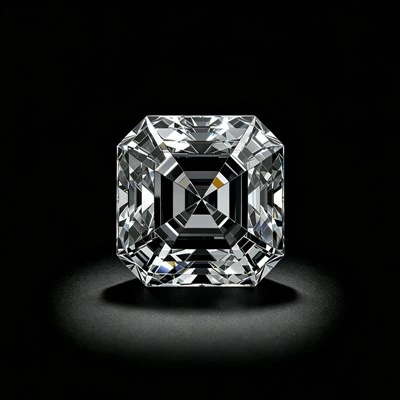
Emerald Cut Diamond References
- Natural Diamond Council. (2023). The Science of Natural Diamond Formation.
- Gemological Institute of America (GIA). (2022). Lab-Grown Diamonds: A Guide for Consumers.
- Environmental Defense Fund. (2021). Comparing Carbon Footprints of Natural and Lab-Grown Diamonds.
- Kimberley Process Certification Scheme. (2023). Annual Report on Conflict Diamond Elimination.
- World Jewellery Confederation (CIBJO). (2022). Ethics and Sustainability in Diamond Mining and Lab-Grown Production.
Hongkong Jingcan Crystal Craft Limited
Hongkong Jingcan Crystal Craft Limited is one of the most experienced diamond ring manufacturers and suppliers in China. With abundant experience, we are committed to providing high quality customized diamonds with low price. Please rest assured to wholesale bulk classy diamond ring in stock here and get quotation from our factory. 3 years warranty is available.
Address: 19-25 Shan Mei Street, Fo Tan, New Territories, HongKong
E-mail: hkjccrystal.cheungkong@gmail.com
WebSite: https://www.hkjcdiamond.com/
