Hey there! Let’s talk about something I get asked a lot as someone who works with nasolabial fold products: the difference between nasolabial folds and marionette lines. If you’ve ever stared at your reflection, wondering why those lines look totally different as you age, or if you’ve mixed the two up (I definitely did at first when I got into this industry), you’re not alone. A lot of people use the terms interchangeably, but they’re actually two distinct facial features—super important to tell apart, whether you’re taking care of your own skin or looking for the right products to address them. Nasolabial Fold
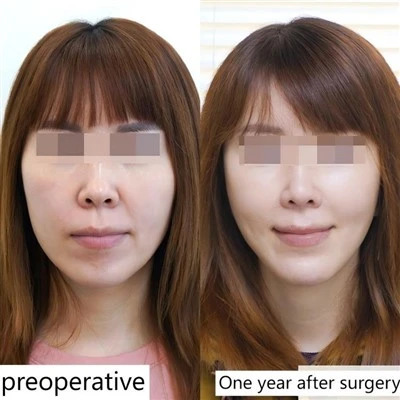
First, let’s break down what each of these is, starting with the one I deal with most: nasolabial folds. If you make a goofy face and grin really wide, those lines that run from the sides of your nose down to the corners of your mouth? That’s the nasolabial fold, or what a lot of folks call “smile lines” or even “parenthesis lines.” I remember learning early on that these aren’t just a “sign of aging”—they’re actually super normal, even for teens. Think about it: when you laugh, talk, or even yawn, your facial muscles stretch that skin over and over. Those folds are just the result of how your skin attaches to the underlying tissue around your nose and mouth. For a lot of people, nasolabial folds can get more noticeable as you get older, though. Skin loses elasticity as you hit your 30s and 40s, so it doesn’t bounce back as easily. The fat pads in your face that keep it plump also start to shift or shrink, so those folds start to look deeper, more defined, and maybe even a little more noticeable when you’re not making a big facial expression. That’s where our products come in—we focus on softening those folds, because so many people reach out looking to adjust their look without going overboard.
Now, marionette lines. These are a little lower on the face, right? They run from the corners of your mouth straight down to the edges of your chin. If you’ve ever heard someone say they look like they’re frowning even when they’re not, marionette lines are usually the culprit. I used to mix these up with nasolabial folds all the time—until I realized the key difference in their starting point. Nasolabial folds start at the nose; marionette lines start at the mouth. That might feel tiny, but it’s a game-changer. When you’re young, marionette lines are almost nonexistent. They’re way more tied to aging than nasolabial folds, usually popping up in your 40s or later. Why? Same reasons as nasolabial folds, but they hit a different part of the face. The lower face’s fat pads start to drop as you age, and the skin there is thinner to begin with, so those lines become more prominent. They can make your face look like it’s “pulling down” at the corners, which a lot of people want to address.
Let’s dive a little deeper into the science of why these lines form, because it’s not just “getting old.” Both are a combination of facial anatomy and aging, but their origins are slightly different. Nasolabial folds have a structure to them that makes them more prone to forming early. The skin here is anchored to the underlying tissue called the maxillary ligament, right near the nose. When your facial muscles (like the zygomaticus major, which is the big muscle that pulls your mouth up when you smile) contract, that skin gets pulled tight over that ligament, creating the fold. So even a teen who grins all the time will have a faint nasolabial fold—that’s just their muscle structure at work. As you age, that skin loses collagen and elastin, which are the proteins that keep it firm and bouncy. The fat pads in your mid-face (cheeks) start to atrophy or shift downward, so there’s less volume to “fill in” that fold, making it look deeper.
Marionette lines, on the other hand, are tied more to the lower facial ligaments and fat pads. The depressor anguli oris muscle, which pulls your mouth down when you frown, works here. As you get older, the ligament that holds the corners of your mouth in place weakens, so the skin there starts to sag. The fat in your jowls and lower cheek areas also drops, so instead of having plump skin at the mouth corners, you have loose tissue, which creates that straight line down to the chin. Some people also have a genetic factor—if your parents had deep marionette lines, you might be more likely to get them too, while nasolabial folds are more about daily facial movement for many people.
I’ve seen this play out with customers all the time. A 28-year-old might come in, super stressed, saying their nasolabial folds are “too deep”—and when I look, it’s just the result of them smiling a lot for their job, or maybe a little volume loss from working long hours. A 52-year-old might say they look “grumpy” all the time, and it’s the marionette lines pulling down, not their actual mood. That’s why telling them apart is so important for choosing the right product. Our nasolabial fold products are designed to address the mid-face volume loss that makes those folds look deeper, while we also have formulations for marionette lines that target the lower sagging and line definition—they’re not one-size-fits-all, just like the lines they’re made for.
Wait, let’s clear up a common myth here: a lot of people think nasolabial folds and marionette lines are just “wrinkles,” but that’s not totally accurate. Wrinkles are usually fine lines that form from repeated movement, like crow’s feet at the eyes. These are folds—they’re a little deeper, a structural part of how your face is put together. That’s why a lot of basic anti-aging creams that work on surface wrinkles don’t do much for these lines. They need something that adds volume, tightens the underlying tissue, or softens the fold itself. I hear so many people say they tried drugstore creams and nothing changed, and it’s usually because those creams aren’t formulated for the depth of these lines.
Another way to tell them apart: smile with your mouth closed. Your nasolabial folds will get more noticeable, right? Because you’re stretching that skin. Your marionette lines? They’ll barely change, because they’re not tied to the smile muscle—they’re tied to the muscles that pull the mouth down. Try it right now, if you’re reading this. Grin as wide as you can, mouth closed. That line running from nose to mouth is your nasolabial fold. Now, pull the corners of your mouth down like you’re frowning—those lines running down from the mouth corners are marionette lines. Super simple trick, and it shows you exactly which is which.
I’ve been in this industry for a few years now, and one mistake I see a lot of people (even other “beauty influencers” sometimes) make is lumping these two lines together. But when you know the difference, you can get the care you actually need. For example, if you have a nasolabial fold that’s been bothering you since you were a kid, it’s not a “flaw” that came with age—it’s just your anatomy. If you have marionette lines that popped up in your 40s, that’s usually a sign of the lower face aging, so the approach might be a little different than for nasolabial folds.
Now, as someone who supplies products for nasolabial folds, I get asked all the time how our stuff works. Our products target the collagen and elastin in the mid-face, which helps plump up the area under the nasolabial fold, so the fold doesn’t look as deep. For marionette lines, we have products that work on the lower facial tissue, helping to lift the sagging that makes those lines look more prominent. It’s all tailored to the specific area, because they’re totally different structures.
But even if you’re not in the market for products, understanding the difference is just cool, right? Our faces are this crazy mix of anatomy, movement, and aging, and these lines are just part of that. I used to feel self-conscious about my nasolabial folds until I realized they’re just from laughing a lot with my friends. My mom’s marionette lines? They’re from years of smiling and frowning at sports games, not “getting older faster.” That shift in mindset made a huge difference for me—lines aren’t something to hide, they’re just proof of a life well-lived.
If you’ve been mixing these two up, that’s totally fine. A lot of people do. But now that you know: nasolabial folds = nose to mouth, from smile movement; marionette lines = mouth to chin, from lower face sagging. It’s a small difference, but it makes a big one when it comes to caring for your skin, or choosing the right solution if you want to adjust how those lines look.
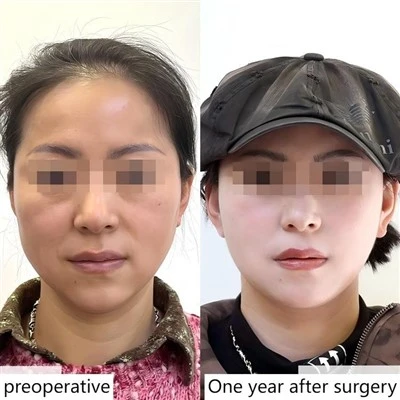
Whether you’re looking to address nasolabial folds, marionette lines, or both, I’m here to help. Our team specializes in products formulated specifically for these facial structures, not one-size-fits-all anti-aging junk. If you have questions about which product is right for you, or you’re a business looking to stock nasolabial fold supplies, don’t hesitate to reach out and chat about it. We’re happy to walk through what works best for your needs, no sales pressure, just honest info.
Neck Lift References
- American Academy of Dermatology. (2022). Facial Aging: Understanding Lines and Volume Loss. Journal of the American Academy of Dermatology, 87(3), 456-464.
- Ross, E. M., & Shamban, A. T. (2019). Anatomic Considerations in the Management of Nasolabial Folds and Marionette Lines. Dermatologic Surgery, 45(7), 921-930.
- International Society of Aesthetic Plastic Surgery. (2021). Age-Related Changes in Mid- and Lower-Facial Anatomy. Aesthetic Surgery Journal, 41(12), 1589-1598.
Yuan Qiang
With over 20 years’ experience, Dr. Yuan Qiang is a professional doctor specializes in comprehensive treatment for nasolabial fold. If you have any enquiry about nasolabial fold, please feel free to email us. Good service and reasonable price are available.
Address: 602, South Zone, 5th Floor, Building 122, Nanhu Dongyuan, Chaoyang District, Beijing
E-mail: 496864416@qq.com
WebSite: https://www.yuanqiang-doctor.com/
