If you’ve ever walked into a café, a doctor’s waiting room, a small retail boutique, or even a shared co-working space, chances are you’ve interacted with quartz furniture without stopping to notice it. For 12 years, I’ve worked as a quartz furniture supplier, fielding a lot of questions from business owners considering new fixtures: Is this durable enough for a space that sees 500+ people a day? Will it hold up to repeated spills, heavy foot traffic, and the occasional dropped coffee mug? And, crucially, is it a cost-effective choice that won’t need replacing in 18 months? Today, I’m breaking down exactly why quartz furniture works so well for commercial settings, and when it might not—based on years of installing it for everything from chain restaurants to dental clinics, and troubleshooting the rare missteps that can happen if you don’t pick the right product. Quartz Furniture
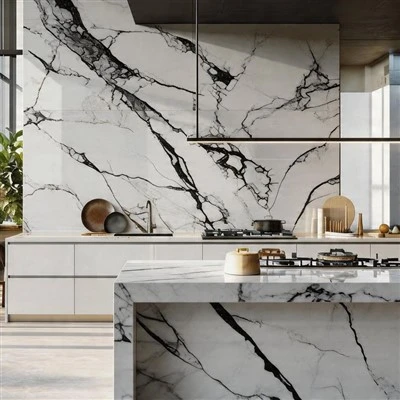
First, let’s get clear on what quartz furniture actually is, because there’s a big difference between residential quartz countertops you might have in your kitchen and commercial-grade quartz furniture. Most residential quartz is made of 90-95% quartz crystals bonded with resin, polished to a sleek finish, and designed for low-wear home use. Commercial quartz, by contrast, is engineered to withstand extreme, repeated stress: it has a higher quartz content (often 93-95%), denser resin binders, and a thicker, more durable substrate. That difference is the foundation of why quartz works for commercial spaces, and it’s a point most suppliers gloss over, but it’s non-negotiable for high-traffic environments.
Let’s start with durability, the number one concern for any commercial furniture. I once supplied a set of quartz bar tops to a family-owned diner in downtown Austin back in 2016. Last month, they reached out to order 12 more pieces for a second location, and when I asked about the original set, the owner, Maria, told me the only damage they’d seen was a tiny scratch from a metal spatula she’d dropped behind the bar two years prior. Compare that to the laminate bar tops they replaced, which had to be sanded and refinished every 18 months, and replaced entirely every four years. Laminate can’t stand up to the kind of consistent use commercial spaces get: sharp corners from metal tools, repeated hot pans, and frequent wiping with abrasive cleaners. Quartz’s non-porous surface means it doesn’t absorb stains—something that’s make-or-break for restaurants, where red wine, coffee, and grease are regular visitors. I’ve seen granite stain permanently if a bartender forgets to clean up a spilled bottle of tomato sauce for a few hours, but quartz? A quick wipe with a mild cleaner and it’s good as new.
But durability isn’t just about scratches and stains—it’s about structural load. For co-working spaces, where people stack laptops, monitors, and 50-pound printer paper boxes on common tables, the last thing you want is a table that warps under weight. Commercial quartz furniture can support up to 200 pounds per square inch, which is more than enough for even the heaviest commercial equipment. We installed a set of quartz conference room tables at a tech startup in San Francisco last year, and they told me last month that a team once brought in a 150-pound prototype robot to test a new product on the table—no cracks, no warping, no issues at all. That’s not something you’d get from solid wood, which can sag under heavy loads over time, or glass, which shatters on impact.
Next, let’s talk about maintenance, a huge hidden cost for commercial spaces. Most commercial property managers don’t budget for expensive upkeep between regular deep cleans, so any furniture that cuts down on cleaning time is a win. Quartz’s non-porous surface means it doesn’t harbor bacteria, mold, or mildew—something critical for healthcare settings, like pediatric clinics or gym locker rooms, where hygiene is a top priority. The CDC even notes that non-porous surfaces are easier to disinfect and carry fewer pathogens than porous materials like wood or concrete. I’ve supplied quartz exam room desks to a chain of urgent care clinics across the Southeast, and their facilities teams tell me they clean the desks with the same disinfectant they use on exam tables—no special products, no extra labor, and no risk of damaging the surface. Compare that to natural stone, which requires sealing every 1-2 years to prevent stains, a cost that adds up fast for a space with dozens of desks. Quartz doesn’t need sealing, ever, which saves business owners hundreds, if not thousands, of dollars a year in maintenance.
Then there’s versatility in design, which is why so many commercial spaces choose quartz over other materials. Unlike natural stone, which has random, one-of-a-kind patterns that can vary slightly from slab to slab, commercial quartz comes in consistent, uniform colors and styles—perfect for businesses that want a branded, cohesive look. A coffee shop chain might opt for a matte black quartz to match their logo and industrial aesthetic, while a luxury boutique might choose a soft, white quartz with subtle veining that doesn’t distract from the merchandise. We even created custom quartz reception desks for a bank in Dallas last year, matching their brand’s deep navy color exactly, and the desk has held up through daily visits from hundreds of customers, with no fading or discoloration from sunlight. Wait, right—sunlight! A lot of people worry about quartz fading in commercial spaces that have large windows or glass storefronts, but commercial-grade quartz is UV-stabilized, meaning it won’t yellow or fade when exposed to direct sunlight for years. I installed quartz window sills for a retail boutique in New York City in 2019, and they still look exactly the same as the day we put them in—no sun damage, no discoloration. That’s a big plus compared to solid wood, which can fade and warp over time when exposed to sunlight.
But here’s the thing: quartz isn’t perfect for every commercial use. I’ve had a few clients reach out asking for quartz tabletops for a food truck, and that’s a case where quartz falls short. Food trucks move constantly, and while quartz is durable, it’s also heavy—much heavier than laminate or lightweight composite materials, which make it a better fit for mobile spaces. Another common mistake? Using residential-grade quartz for high-traffic areas. I once supplied a boutique hotel in Miami with what they thought was commercial quartz, but they cut costs by going with a cheaper residential variant, and within a year, the table tops had noticeable scratches from room service carts. That’s why it’s so important to work with a supplier who understands the difference between residential and commercial quartz, and can recommend the right grade for your specific space. Also, quartz isn’t heat-resistant—so for commercial kitchens, you can’t set a 350-degree frying pan directly on a quartz countertop. It’s okay for warm items, but hot pans need a trivet, which is a small detail that’s easy to overlook if you’re not used to working with quartz.
Another consideration is upfront cost. Quartz furniture is more expensive than laminate or even some solid wood options at first glance. A 4-foot quartz conference table might cost $800-$1,200, while a laminate table of the same size might be $300-$500. But when you factor in long-term costs—no sealing, no frequent refinishing, no replacing every 3-4 years, and lower maintenance labor—that higher upfront cost almost always evens out, and often saves money in the long run. For example, a restaurant owner told me last year that they spent $10,000 on laminate bar tops that needed to be replaced every four years; over 10 years, that’s $25,000. The quartz bar tops I supplied them cost $15,000 total, and they’re still in perfect shape after six years. That’s a clear ROI that’s hard to argue with.
I’ve also heard a lot of myths about quartz furniture that aren’t true. Some people say it’s too cold for a commercial space, but modern quartz comes in finishes from matte to semi-gloss to even a warm, stone-like texture that feels much cozier than you’d expect. We recently installed quartz café tables with a subtle wood-grain finish, and customers often ask if they’re solid wood—until they run their hands over the smooth, non-porous surface. Others say it’s bad for the environment, but most commercial quartz is made with recycled quartz crystals and non-toxic resins, and because it’s so durable, it doesn’t end up in landfills as quickly as other furniture materials. When a quartz piece does reach the end of its life, it’s recyclable, too—something natural stone and laminate can’t always say.
At the end of the day, the question of whether quartz furniture is suitable for commercial use comes down to two things: what your specific space needs, and what grade of quartz you’re using. If you’re a business owner with a high-traffic restaurant, a healthcare clinic, a co-working space, or a retail store that needs furniture that’s easy to clean, durable, and consistent, commercial quartz is an excellent choice. It’s not the best pick for mobile spaces like food trucks or temporary event booths, and you’ll always get better results from commercial-grade than residential-grade for high-wear areas.
Over the years, I’ve built my business on working with clients to find the right quartz solution for their unique needs—no one-size-fits-all sales pitch, just honest advice about what will hold up in their space. If you’re planning a renovation, outfitting a new commercial location, or just wondering if quartz makes sense for your business, I’d be happy to walk through your options, share case studies of projects we’ve done similar to yours, and answer any questions you have about durability, maintenance, or design. Reach out to our team to start a conversation about your commercial furniture needs.
Kitchen Quartz Slab References
- Centers for Disease Control and Prevention. “Guidelines for Environmental Infection Control in Health-Care Facilities,” 2019.
- National Kitchen and Bath Association. “Commercial Quartz Countertop Specifications for High-Traffic Environments,” 2021.
- International Code Council. “Commercial Building Materials Standards for Durability and Hygiene,” 2022.
Wuhu Junde New Material Technology Co., Ltd.
As one of the most experienced quartz furniture manufacturers and suppliers in China since 1998, we warmly welcome you to wholesale top-quality quartz furniture made in China here from our factory. If you have any enquiry about cooperation, please feel free to email us.
Address: No.8 Yulin Road, Xinwu Economic Development Zone, Anhui Province, China
E-mail: 1127319898@qq.com
WebSite: https://www.jundequartz.com/
