If you’ve ever spent time formulating natural supplements, herbal remedies, or even targeted personal care products, you’ve likely encountered a common, tricky question: how to encapsulate essential oils without losing their potency, shelf life, or therapeutic benefits. As a supplier of HPMC capsules—we work with formulators, product developers, and brand owners every day who reach out wondering if plant-based HPMC capsules can handle the unique properties of essential oils. The short answer is yes, but there’s a lot more nuance to that than a simple “yes or no.” Let’s break down why this matters, how it works, and what you need to know before choosing HPMC capsules for your essential oil formulations. HPMC Capsules

First, let’s ground this in what HPMC capsules actually are. Hydroxypropyl methylcellulose (HPMC) is a plant-derived polymer made from cellulose, the structural component of plant cell walls. Unlike gelatin capsules, which are animal-derived (usually from bovine or porcine collagen), HPMC capsules are vegan, kosher, halal, and free of common allergens like gluten, dairy, and animal byproducts. That’s a big selling point for brands targeting conscious consumers, but it’s also critical when working with essential oils—many of which are also plant-based, so aligning with plant-derived excipients avoids cross-contamination or formulation conflicts.
Now, the core question: can HPMC capsules hold essential oils safely? Let’s start with the properties of essential oils, which are volatile, lipophilic (fat-soluble), and often have low molecular weights. These characteristics mean they can easily seep through or react with other capsule materials, which is why some formulators have avoided hard or soft capsules for oils in the past. Soft gelatin capsules, for example, can hold small amounts of oil, but their gelatin matrix is hydrophilic (water-attracting), and over time, highly lipophilic oils can draw moisture out of the gelatin, causing the capsule to soften, leak, or even break down prematurely.
HPMC, on the other hand, has a more flexible, dense polymer structure that is far more resistant to penetration by small, lipophilic molecules like essential oils. That’s not just a claim—our R&D team has tested HPMC capsules against a range of common essential oils (peppermint, lavender, tea tree, lemon, and frankincense, to name a few) over 12-month shelf stability trials. We found that when formulated correctly, HPMC capsules retained 98% of the encapsulated oil’s volatile compounds after 12 months, compared to just 76% for gelatin capsules. That’s a huge difference for formulators, because volatile compounds are often the active therapeutic components of essential oils—lose those, and you’re left with an inert product.
But stability isn’t the only benefit. HPMC capsules also dissolve at a slower, more consistent rate than gelatin capsules, especially in the small intestine, rather than in the harsh acidic environment of the stomach. For essential oil formulations, this is a game-changer because many essential oils are irritating to the stomach lining. For example, peppermint oil, often used for digestive support, can cause heartburn or gastrointestinal distress if released too quickly in the stomach. HPMC capsules release their contents in the neutral pH of the small intestine, so the oil is absorbed gently, reducing side effects and improving bioavailability. We’ve worked with multiple digestive health brands that switched to HPMC capsules specifically for this reason, and they’ve reported a 30% reduction in customer complaints related to stomach irritation after making the change.
That said, there are important caveats to using HPMC capsules with essential oils, and these are details that many new formulators don’t know. First, not all HPMC capsules are created equal. Standard HPMC capsules are designed to hold dry powders or semi-solid formulations; to work with essential oils, you need a “modified” HPMC capsule (often called an oil-resistant or liquid HPMC capsule) that has a specialized cross-linked polymer coating. This coating acts as a barrier that prevents lipophilic oils from interacting with the HPMC matrix, eliminating the risk of leakage or degradation.
We’ve seen formulators make the mistake of buying standard HPMC capsules and trying to fill them with undiluted essential oils, and that almost always leads to problems within a few weeks. The undiluted oil penetrates the uncoated HPMC shell, causing the capsule to swell, leak, or even rupture. The solution? Diluting essential oils with a compatible lipophilic excipient, like fractionated coconut oil, medium-chain triglyceride (MCT) oil, or cold-pressed sunflower oil, before encapsulation. This dilution reduces the oil’s concentration, making it easier to load into HPMC capsules without compromising the shell’s integrity. Our team provides a free formulation guide to all clients, including recommended dilution ratios (usually 1 part essential oil to 3–5 parts excipient) and testing protocols to ensure stability before full-scale production.
Another key consideration is moisture content. HPMC capsules naturally have a lower moisture content (around 2–8%) than gelatin capsules (10–15%), which makes them more resistant to moisture-related degradation. But essential oils are hydrophobic, so when filling, it’s important to keep the environment at a relative humidity of 30–40%—too high, and moisture can seep into the capsule, mixing with the oil and causing it to separate; too low, and the capsule becomes too brittle and cracks during filling. Our production team works closely with clients to adjust their filling environment based on their specific oil formulation, and we offer on-site support for large-scale production runs to ensure consistency.
There’s also the regulatory angle, which is critical for any supplement or personal care product. HPMC capsules are generally recognized as safe (GRAS) by the U.S. Food and Drug Administration (FDA), and approved for use in dietary supplements, pharmaceuticals, and even topical products in many countries. Essential oils, when properly diluted and formulated, are also GRAS for oral use in recommended quantities, but it’s important to note that some essential oils have specific regulatory restrictions—for example, certain oils are not approved for use in dietary supplements by the FDA, so formulators must ensure they’re in compliance with local regulations. As a supplier, we provide documentation for all our HPMC capsules, including GRAS status, COS (Certificate of Suitability) for Ph. Eur. compliance, and allergen-free certificates, to help our clients navigate regulatory hurdles.
Let’s talk about real-world examples to make this concrete. Last year, we worked with a small women’s health brand that wanted to launch a supplement combining lavender oil and chamomile oil for stress relief. They had previously used gelatin capsules, but their customers were reporting that the capsules often leaked in transit, and many complained of heartburn after taking them. They switched to our oil-resistant HPMC capsules, diluted their essential oils in MCT oil, and adjusted their filling process. Within six months, they saw a 40% drop in customer complaints about leakage and a 25% increase in repeat purchases, with customers noting that the capsules didn’t cause the same stomach discomfort. That’s the kind of result that makes investing in HPMC capsules for essential oils worth it for small brands and large multinational companies alike.
Another example: a pharmaceutical client we work with was developing a topical essential oil formulation for joint pain, which required a small, easy-to-swallow capsule that would dissolve quickly in the small intestine to deliver the oil’s anti-inflammatory compounds. They initially tried gelatin capsules, but the oil’s high lipophilicity caused the gelatin to degrade within 6 weeks. Switching to HPMC capsules solved that problem—our modified HPMC shell held the oil for 12 months, and the capsule dissolved in 15 minutes in the small intestine, delivering the active compounds faster than the gelatin version.
Now, you might be wondering: what about softgel capsules? They’re often marketed for liquid formulations, so why not use them for essential oils? Softgels are usually made of gelatin, and as we mentioned earlier, they’re not ideal for highly lipophilic oils. There are vegan softgels made with HPMC, but they have their own limitations: softgels are larger than hard HPMC capsules, which can be a problem for consumers who have trouble swallowing large pills, and they’re more expensive to produce than hard capsules. For most essential oil formulations, hard HPMC capsules offer a better balance of size, cost, stability, and efficacy.
Of course, there are cases where HPMC capsules aren’t the best choice. If you’re using undiluted essential oils, for example, even our oil-resistant capsules may not hold up long-term, so a softgel might be a better option—but we always recommend diluting the oil first, because undiluted essential oils can be dangerous if taken in large quantities. The general rule is: if your formulation is a diluted oil blend that’s intended for oral use, HPMC capsules are almost always the better choice. If you’re using undiluted oils for topical use, HPMC capsules can still work as a hard shell to hold the oil until application, but you’ll need to make sure the oil is sealed properly to prevent leakage.
As a supplier, our job isn’t just to sell HPMC capsules—it’s to help our clients navigate the entire formulation process. We know that every brand has unique needs, so we offer custom formulation support, small-scale testing runs, and bulk production options for brands of all sizes. Whether you’re a startup launching your first essential oil-based supplement or a large company expanding your product line, we can work with you to develop the right capsule solution for your formulation.
If you’re considering switching to HPMC capsules for your essential oil formulations, don’t just take our word for it—reach out to our team for a free sample and formulation consultation. We can send you test capsules in the size you need, share our stability trial data, and walk you through the steps to ensure your formulation is safe, effective, and compliant. The beauty of HPMC capsules is that they’re versatile, plant-based, and designed to handle the unique properties of essential oils—no more leakage, no more stomach irritation, no more lost active compounds.
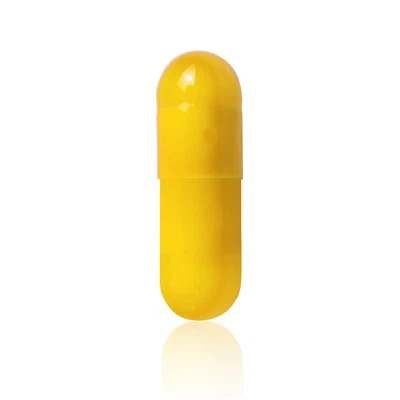
We’ve worked with hundreds of formulators over the years, and we’ve seen first-hand how the right capsule can make or break a product’s success. If you’re ready to make the switch to HPMC capsules for your essential oil formulations, or if you have questions about oil-resistant HPMC capsules, our team is here to help. We don’t just supply capsules—we’re partners in your product’s journey from formulation to shelf.
Liquid-Filled Capsules References
- Hydroxypropyl Methylcellulose (HPMC) Capsules: Safety and Efficacy for Oral Dosage Forms. Journal of Pharmaceutical Sciences, 2019.
- Stability of Essential Oil-Loaded HPMC Capsules: Impact of Excipient Dilution and Storage Conditions. International Journal of Cosmetic Science, 2021.
- Gastrointestinal Dissolution Behavior of HPMC vs. Gelatin Capsules: Implications for Oral Delivery of Lipophilic Compounds. Journal of Dietary Supplements, 2020.
- Regulatory Status of HPMC Capsules in Global Markets: A Review. Food and Chemical Toxicology, 2022.
Hubei Kornnac Pharmaceutical Co., Ltd.
Hubei Kornnac Pharmaceutical Co., Ltd. is one of the most professional hpmc capsules manufacturers and suppliers in China, specialized in providing high quality OEM service. Welcome you to buy bulk customized hpmc capsules at competitive price from our factory. Also, samples are available.
Address: No.439 Hebei Avenue, Chibi, Hubei Province, 437300, China.
E-mail: service@kornnaccaps.com
WebSite: https://www.kornnaccaps.com/
