If you’ve ever stopped at a CNG daughter station during a cross-country road trip or to refuel a local fleet of delivery vans, you might have wondered how much goes into keeping that operation safe and reliable. As a CNG daughter station supplier with over a decade of installing, maintaining, and supporting these facilities across North America, I’m here to pull back the curtain on one of the most common questions our clients ask: how often do these stations actually need inspections? CNG Daughter Station

First, let’s make sure we’re on the same page about what a CNG daughter station is, because there’s a lot of confusion out there between these and full-scale CNG mother stations. A mother station usually connects directly to a natural gas pipeline, compresses gas on-site, and stores large volumes for distribution. A daughter station, on the other hand, sources its pre-compressed CNG from those mother stations via high-pressure tube trailers. It’s smaller, less expensive to set up, and perfect for areas where building a full pipeline or large compression facility isn’t practical. That compact design means its inspection needs are unique—not identical to a mother station or a traditional gasoline service station, which is why a lot of generic guidelines don’t quite apply.
When we first started out, we’d get pushback from new operators who thought they could follow the same inspection schedule as a nearby gasoline station, or even a mother station we’d installed 10 years prior. But after a few close calls with minor leaks that could’ve become major issues, we worked closely with industry inspectors and the National Board of Boiler and Pressure Vessel Inspectors (NBBI) to tailor schedules specifically for daughter stations. What we learned early on is that CNG daughter station inspections aren’t one-size-fits-all—they depend on a handful of key factors: how often the station is used, the local climate, the age of equipment, and even how well the operator trains their on-site staff to spot small problems before they escalate.
Let’s break down the different types of inspections, because that’s where a lot of operators mix things up. There are daily operator checks, periodic functional inspections by certified technicians, and mandatory code-mandated inspections that happen every year or two, depending on regulations. The daily checks are non-negotiable, and they’re something we train every station’s attendant to do in the first week of operation. That means walking the entire site to smell for natural gas (which has a distinct, rotten-egg odor added for safety), checking that the pressure gauges on the tube trailer unloading skid are within the correct range, making sure the emergency shutoff button is clearly visible and not blocked, and verifying that the fire extinguisher and gas detector are working properly. These take 10 minutes tops, but they’re the first line of defense. We’ve had clients skip these during busy seasons and end up with a small leak that shut the station down for three days, costing them thousands in lost revenue.
Then there are the periodic functional inspections, which we recommend every six months for every daughter station we supply. These go deeper than the daily checks. A certified technician will test the pressure relief valves on the storage cylinders—these are critical because if pressure gets too high, the valves open to release gas safely instead of causing a rupture. They’ll check the unloading hoses for cracks or abrasions, since those hoses handle 3,600 PSI of pressure every time a tube trailer connects. They’ll also test the automatic shutoff system, which is designed to cut gas flow if a leak is detected, and calibrate the gas leak detector that sounds an alarm if concentrations reach dangerous levels. We learned a hard lesson about the importance of these inspections a few years ago: a client in Texas skipped their six-month check for a holiday weekend, and a small crack in an unloading hose caused a slow leak that wasn’t detected until a passerby smelled gas. Fortunately, no one was hurt, but the station had to be shut down for a full week to replace the hose and recertify all equipment. That client now pays for our semi-annual inspection plan, and they haven’t had a single issue since.
Now, the big one: mandatory code inspections, which are governed by federal, state, and local regulations, not just supplier recommendations. In the U.S., most states follow guidelines from the Pipeline and Hazardous Materials Safety Administration (PHMSA) and the National Fire Protection Association (NFPA) 52, the standard for CNG facilities. For daughter stations, the required frequency of these formal inspections falls into two main categories. If your station is classified as a “low-volume” facility, meaning it dispenses less than 50,000 gasoline gallon equivalents (GGE) of CNG per month, most states require a full code inspection every two years. High-volume stations, which do more than 50,000 GGE per month, need a full inspection every year. But here’s the thing: those numbers aren’t set in stone. If your station is in an area with extreme climate swings—like the Midwest, where temperatures drop well below zero in winter and climb above 100 degrees in summer—regulators may require more frequent inspections. Cold temperatures can make rubber hoses brittle, while extreme heat can put extra strain on pressure relief valves. We have a client in Minnesota who’s a high-volume station, and after their first season, the state inspector bumped their required inspections to every 10 months, which we adjusted our service plan to accommodate.
There are also some common misconceptions that I want to clear up, because I hear these all the time from new operators. First, some people think that because CNG is lighter than air and dissipates quickly, it doesn’t need as many inspections as other fuels. That’s true in terms of risk of vapor pooling, but CNG is highly flammable at concentrations between 5% and 15% in air, so even a small leak can cause a major hazard. Another myth is that new stations don’t need inspections as often as older ones. In reality, the first three years of a daughter station’s operation are the most critical for inspections, because equipment is still settling in—seals can wear out, pressure connections can loosen, and calibration on detectors can drift. We recommend our clients do a full initial code inspection at the 1-year mark, even if their local code allows two years, just to catch any issues before they become long-term problems.
We also tailor our inspection recommendations based on the type of equipment we supply. For example, if a client opts for our all-aluminum storage cylinder packs, which are more resistant to corrosion than steel, their semi-annual checks can focus more on functional testing rather than visual corrosion inspections. For clients who choose our mobile daughter stations, which are mounted on trailers and moved between locations (popular for temporary fleets or construction sites), we adjust inspections to be before every move and immediately after setting up at a new site. The vibration from transport can loosen connections, so we never skip those pre-move checks.
One of the biggest things I’ve learned over the years is that inspections aren’t just about compliance—they’re about protecting your business and your customers. A CNG daughter station that’s well-maintained with regular inspections will run more reliably, have less downtime, and lower your insurance costs. We recently had a client whose insurance premium dropped by 15% after we provided proof of their consistent semi-annual inspections and on-time code compliance, because insurers see that as a lower risk. On the flip side, a station that falls behind on inspections can face fines from regulators, which can run into tens of thousands of dollars, not to mention the damage to your reputation when word gets out that your station was shut down for safety issues.
If you’re a new operator looking to set up a CNG daughter station, or an existing operator looking to streamline your inspection process, here’s a quick checklist to keep track of: First, confirm your local and state regulatory requirements for mandatory code inspections—don’t just rely on national guidelines, because rules vary a lot between states. Second, schedule semi-annual functional inspections with a certified technician who specializes in CNG daughter stations, not just general gas technicians. Third, make sure your on-site staff is trained to do daily checks, and keep a log of every inspection, no matter how small. Regulators will ask to see these logs, and having them organized can make an inspection go much smoother. Fourth, factor in climate and usage when adjusting your schedule—high volume or extreme weather means more frequent checks.
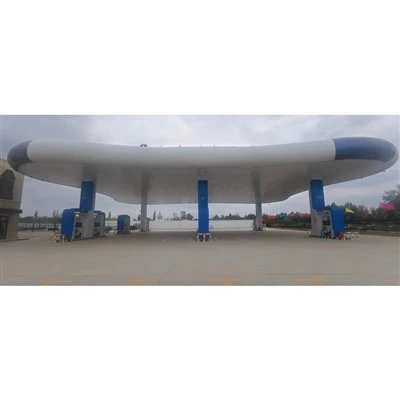
At the end of the day, the question of “how often do CNG daughter stations need inspection?” doesn’t have a one-size answer, but following these guidelines will keep your station safe, compliant, and profitable. We’ve worked with hundreds of daughter stations across the country, and the ones that thrive are the ones that don’t treat inspections as a chore, but as an investment. If you’re setting up a new station or looking to update your inspection plan, we have a team of experts who can walk you through local regulations, customize an inspection schedule for your specific facility, and provide all the support you need to keep your operations running smoothly. Feel free to reach out to our team to discuss your needs and get a tailored plan for your CNG daughter station operation.
CNG Standard Station References:
Pipeline and Hazardous Materials Safety Administration (PHMSA). (2022). Safety Standards for Compressed Natural Gas (CNG) Facilities. U.S. Department of Transportation.
National Fire Protection Association (NFPA). (2021). NFPA 52: Standard for Vehicular Gaseous Fuel Systems and Facilities. National Fire Protection Association.
National Board of Boiler and Pressure Vessel Inspectors (NBBI). (2023). Inspection Guidelines for Compressed Natural Gas Storage and Distribution Systems. NBBI.
American Gas Association (AGA). (2022). Best Practices for CNG Daughter Station Maintenance and Inspection. American Gas Association.
Qingdao Lenado Intelligent Equipment Co., Ltd.
Qingdao Lenado Intelligent Equipment Co., Ltd. is one of the most experienced CNG daughter station manufacturers and suppliers in China. We have world-leading production equipment and strong manufacturing capabilities. Please rest assured to wholesale bulk customized CNG daughter station from our factory.
Address:
E-mail: genkegasstation@163.com
WebSite: https://www.cnggasstation.com/
